PPF Coating Worth It? A 2026 Turkey Car Owner's Guide
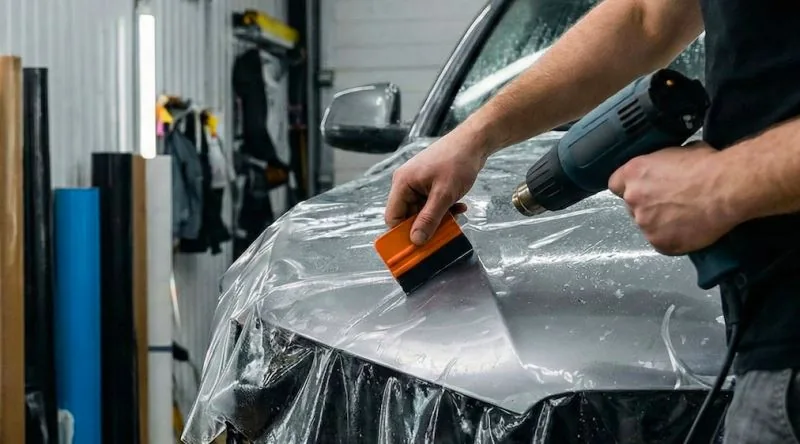
Deciding whether PPF coating is worth it in 2026 comes down to your car's value, your driving habits, and your budget, with Turkish installers charging between 50,000 and 100,000 TL for full front-end coverage. For owners of new or luxury vehicles in Istanbul, Ankara, and Izmir, the paint protection film offers real, measurable benefits against stone chips and scratches, but it is not a one-size-fits-all upgrade. The peace of mind it delivers, however, must be weighed against the significant upfront investment and the skill required for a flawless installation.
PPF coating is worth it for expensive or new cars driven frequently on highways, as it prevents stone chip damage and preserves resale value. For older or budget vehicles, the high cost in Turkey rarely justifies the investment. Professional installation is mandatory to avoid peeling edges or paint damage upon removal.
- In Turkey, a full front-end PPF installation typically costs between 50,000 and 100,000 TL in 2026, depending on the film brand and vehicle size.
- PPF self-heals minor scratches when exposed to heat, keeping the paint looking newer for longer than ceramic coatings alone.
- High-quality PPF should be removed by a professional to prevent adhesive residue or paint damage, especially on aftermarket repainted panels.
- The film is most valuable on high-exposure areas like the hood, bumper, mirrors, and fenders, which are prone to stone chips on Turkish highways.
- A poorly installed film with visible edges or orange peel texture can reduce the car's aesthetic appeal and fail to protect properly.
Is PPF coating worth it? Start with your car's price, not the sticker shock
The real question isn't "should I get PPF?" but "what's my car worth?" That single number determines everything. A paint protection film on a 1.5 million Turkish lira car makes little sense, but the same investment on a 3-4 million lira vehicle becomes a reasonable calculation. The math changes with the vehicle, not the product.
Walk into any detailing shop in Turkey and the first number you'll hear is the price tag. The conversation about whether PPF coating is worth it typically starts with a range that can reach 50,000 to 100,000 Turkish liras, though that range shifts with the size of the car, the brand of film, and who's doing the installation. That's a hefty chunk of change, enough to make anyone pause at the counter.
Here's the thought experiment that cuts through the noise. Imagine you own a car worth 1.5 million liras. A 100,000 lira PPF job means you're spending roughly 7% of the car's value on protection. Now imagine the same car gets scratched. How much value does it actually lose? Certainly not 100,000 liras' worth. The protection costs more than the damage it prevents.
But flip the scenario. You're driving something in the 3 to 4 million lira range. Suddenly that same 100,000 lira investment looks different. A deep scratch on a premium paint job can slash resale value by more than you'd think, and the film becomes insurance you can actually justify. The math flips because the stakes are higher.
Turkey's car market makes this calculus even more intense. Vehicles here carry a tax burden that often exceeds 100% of their pre-tax price, thanks to Special Consumption Tax and Value Added Tax stacking on top of each other. People work years to afford these cars, and the desire to protect that investment isn't foolish. It's the opposite of foolish. It's the kind of calculation anyone making a major purchase should run.
What PPF actually protects against (and what it can't do)
Paint protection film earns its keep against the everyday annoyances that make car owners wince: superficial scratches from careless brushing, small stone chips kicked up on the highway, paint drips from an overzealous spray job, bird droppings that bake into the clear coat, tree sap that hardens into amber-colored spots, and the sun damage that fades a finish over years of exposure. These are the battles PPF actually wins, confirmed by manufacturer testing from industry leaders like XPEL and 3M.
But here's where the honesty kicks in. PPF is not a miracle product. It won't save you from a deep key scratch that cuts through to metal, and it won't shrug off a real collision. The film is a sacrificial layer, a shield that takes the abuse so your paint doesn't have to. When it gets gouged or stained, you replace that section of film rather than repainting a panel.
One enthusiast put it bluntly, dismissing ceramic coating as a waste of money. PPF, in his view, actually does something tangible. It's a physical barrier you can see and feel, not a liquid that disappears after application and leaves you hoping for the best.
There's a catch worth knowing, though. If you have the film removed by a careless installer using cheap materials, or you leave it on far past the manufacturer's recommended lifespan, the adhesive can bond stubbornly to the clear coat. Done right, with professional-grade film applied correctly and taken off within its intended window, the paint underneath stays intact. Done wrong, and you might be looking at paint damage that defeats the whole purpose of the investment.
Will PPF damage your paint when removed?
The short answer is no: when a professional applies the film correctly and removes it within the manufacturer's recommended timeframe, PPF will not damage your paint. That reassurance comes with a serious caveat, though. Cheap installers and cut-rate products have caused paint to peel right off, and it has happened.
The fear is understandable. You are asking a stranger to lay a transparent layer over your car's factory finish, knowing that someday it has to come off. The adhesive that holds the film in place is the same adhesive that could, in theory, pull your clear coat with it. That is exactly why the removal window matters so much. Professional-grade films are engineered with adhesives designed to release cleanly, but only within their specified lifespan. Leave the film on past its prime, and the bond changes. It gets stubborn. And when someone tries to rip it off anyway, the paint loses that fight.
So the real question is not whether PPF can hurt your paint. It is who you trust to put it on and take it off. A proper detailing shop using quality film from a reputable manufacturer will know the product's limits and schedule. The same cannot be said for bargain operators who slap on whatever film they can source cheaply. The horror stories circulating in car communities almost always trace back to those corners of the market. Your paint stays safe when the person handling it knows what they are doing and respects the clock. That is the whole trick.
Where to get PPF (and why you should skip the dealership)
If you are weighing whether PPF coating worth it justifies the expense, where you have it installed matters just as much as the film itself. The short version: skip the dealership entirely and find a specialist detailing shop that works with reputable film brands.
Dealerships are often the last place you want to hand over your car for paint protection film. A common complaint is that they install the cheapest film they can source and then tack on a hefty 50 to 100 percent commission before selling it back to you. That markup figure is anecdotal, so take it with a grain of salt, but the underlying advice holds up: dealerships are not necessarily paint protection experts, and their priority is the bottom line, not your paintwork.
Instead, the insider tip is to hunt down dedicated detailing shops, the kind of places where paint protection is the whole job, not an afterthought. Start by researching which film brands have a solid reputation in the market. Once you know the good names, check each brand's official list of authorized dealers. That is your shortlist. Those authorized shops have been trained on the specific film and have access to the proper installation tools, which matters because a bad install can ruin even the best product.
For the actual research phase, a two-platform approach works well. Instagram is where you will find the shops themselves, scrolling through their before-and-after shots, watching clips of them wrapping hoods and bumpers, and getting a feel for their craft. Then take those shop names over to Google and read what actual customers have written. A shop can post all the glossy photos it wants, but a string of unhappy customers telling a different story is a warning you should not ignore.
One more thing worth remembering: in Turkey, vehicles carry a tax burden that often exceeds 100 percent of their pre-tax price, which means cars are sold for far more than their actual value. When someone has poured years of work into buying a car at that inflated price, wanting to protect it is not foolish. It is simply smart. And the smartest move of all is choosing who gets to do that protecting.
Which parts of the car should you cover?
For a car in the 1.5-2 million TL range, the smart money goes on just three zones: the hood, the front fenders, and the headlights. That's it. If your budget has some breathing room, maybe add the roof, but everything else is arguably money thrown at a problem you don't have yet.
Think about where your car actually takes a beating. The nose of the vehicle is what meets the world first, whether it's a loose stone on the motorway or the bumper of the car ahead in slow traffic. So you concentrate the protection there, where the film earns its keep. The rear doors and the trunk lid, for instance, rarely see the same abuse, so covering them on a car of this value just doesn't add up on the cost-benefit ledger.
Now, here's a detail that catches a lot of people off guard. Getting the film laid down properly can mean the installer will remove parts of your car to do it right. Tail lights come off, door handles get unclipped, side mirrors get detached, all so the PPF can wrap around the edges cleanly instead of stopping short and leaving a visible seam. Before you hand over the keys, ask the shop point-blank which pieces they plan to take apart. That simple question tells you a lot about how thorough they intend to be, and it also gives you a checklist to verify the car is put back together correctly when you pick it up.
That's the whole game, really. Match the coverage to the car's value, spend where the risk is highest, and keep the installer honest about their process. The rest is personal preference, and that's exactly what it should be.
Is getting PPF in Turkey smart or silly?
In Turkey, buying a car means paying more than double its actual worth, since the Special Consumption Tax (ÖTV) and Value Added Tax (KDV) together push the tax burden past 100%. So when someone finally scrapes together the money for a vehicle after years of hard work, wrapping it in a protective layer is not paranoia. It is pure logic.
Think about what that car represents. A person might save for a decade, skip vacations, and make quiet sacrifices just to afford a new set of wheels. Then they watch that investment sit in the driveway, exposed to bird droppings, tree sap, and the careless swing of a neighbor's door. The math changes when the purchase itself is already so expensive. Protecting a vehicle that cost double its sticker value is not a luxury impulse. It is a rational move to preserve what took so long to earn.
This is where the question of whether PPF coating worth it becomes less about vanity and more about economics. The film shields against superficial scratches, small stone chips, paint drips, bird droppings, tree sap, and sun damage. That is not a miracle claim; it is what the material is designed to do. In a market where even a minor paint correction could cost thousands of liras, prevention starts to look like a bargain.
Of course, the value of the car matters. A person driving a modest hatchback might not need full coverage, while someone with a luxury sedan has a stronger case. But the underlying principle holds. When the government already took more than the manufacturer's price in taxes, every scratch that reaches the paint is a direct hit to a wallet that was already stretched thin. Protecting that investment is not silly. It is the smartest thing a car owner can do.
Frequently asked questions
What is PPF and how does it protect a car?
Paint protection film is a clear, durable urethane layer applied directly to a vehicle's painted surfaces. It shields against superficial scratches, small stone chips, paint drips, bird droppings, tree sap, and sun damage. It is not a miracle solution, but it provides a genuine protective barrier that ceramic coatings simply cannot match.
Is PPF worth it for a mid-range car?
For a car in the 1.5-2 million lira range, partial coverage makes sense. You can protect the hood, front fenders, and headlights without breaking the bank. The math changes when the film costs nearly as much as the car itself would lose in value from a few scratches, so weigh the cost against your vehicle's total worth.
Can PPF damage the car's paint when removed?
When a professional applies a quality product and removes it within the manufacturer's recommended timeframe, the paint stays intact. The adhesive is designed to release cleanly. However, if you go to a subpar shop using cheap film, or leave it on far too long, paint damage becomes a real possibility.
Where should I get PPF applied?
You should generally avoid car dealerships, which reportedly often install the cheapest film and add a 50-100% commission on top. Instead, research reputable detailing shops that carry well-known film brands. Start by searching on Instagram, then check Google reviews from actual customers before committing.
Which parts of the car should I cover with PPF?
For a vehicle worth 1.5-2 million liras, focus on the hood, front fenders, and headlights. If your budget allows, consider the roof as well. Everything else is probably unnecessary at that price point, though your personal preferences and how much you value the car should guide the final call.
Does PPF protect against bird droppings and tree sap?
Yes, the film creates a sacrificial layer that absorbs the damage from these acidic substances before they reach your paint. Bird droppings and tree sap can etch into clear coat within hours if left untreated, but PPF gives you a buffer that keeps the original paint underneath safe and intact.
Why is PPF more popular in Turkey?
Vehicles in Turkey carry a tax burden exceeding 100% of their pre-tax price, making them far more expensive than their actual value. When someone works for years to afford a car, protecting that investment feels like common sense rather than extravagance. The higher the price tag, the more sense the protection makes.
How much does PPF cost in Turkey?
Pricing reportedly ranges between 50,000 and 100,000 Turkish liras, though actual costs vary widely based on vehicle size, film brand, and the installer you choose. A smaller car with partial coverage will land at the lower end, while a full wrap on a luxury vehicle could exceed that range.
Got a take on this? Add your voice to the conversation below →
No comments yet. Be the first.