Karlsbad: Atatürk's 1918 Spa Diary in Karlovy Vary
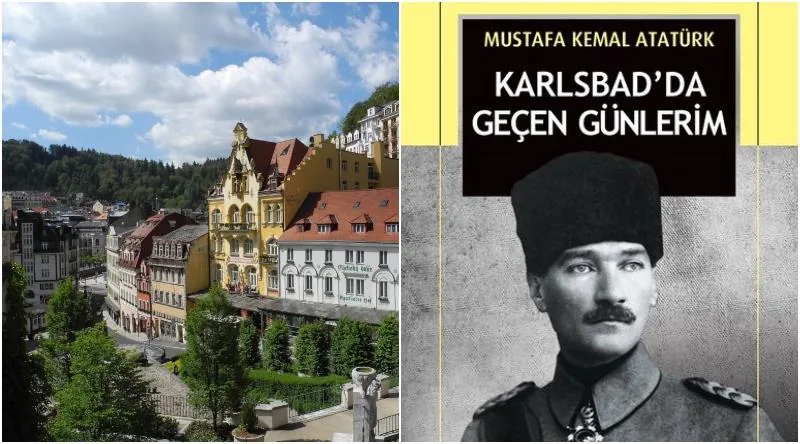
Karlsbad, today known as Karlovy Vary, is the Czech spa town where Mustafa Kemal Atatürk kept a playful diary during his 1918 summer stay. He came as a general, the future founder of the Turkish Republic, and he came for his health. What he left behind was not a military memorandum but a witty account of cakes, concerts, and cheeky observations about his fellow guests. Karlsbad was already famous across Europe by then, and Atatürk's diary turned his visit into one of the town's most enduring stories.
Karlsbad, now Karlovy Vary in the Czech Republic, is a historic spa town famous for its hot mineral springs. In 1918, Mustafa Kemal Atatürk stayed there for his health and wrote a lighthearted diary about his time in the town, which later became a published book.
- Karlsbad, called Karlovy Vary today, sits in Bohemia in the western Czech Republic and has drawn visitors to its thermal springs for centuries.
- Atatürk stayed in Karlsbad during the summer of 1918, seeking treatment for his health before he became the founder of the Turkish Republic.
- His Karlsbad diary, later published as a book, records his impressions of the town, its visitors, and its social life in a humorous tone.
- The town's hot springs are traditionally credited to a discovery by Charles IV, Holy Roman Emperor, in the 14th century.
- Karlovy Vary's roll of notable visitors over the centuries includes Beethoven, Marx, and many other European figures.
Karlsbad: The Old Name for a Czech Spa Town
Karlsbad is the old German name for Karlovy Vary, the famous spa town that sits inside the present-day Czech Republic. Say "Karlsbad" to a Czech local and they will know exactly which town you mean, because the two names have pointed to the same place for centuries.
The town built its whole reputation on water. Hot springs bubble up through the valley here, and according to the traditional account, those springs were discovered by Charles IV, Holy Roman Emperor himself. Settlement followed from the 14th century onward, and the little community grew up around the steam.
What turned a regional curiosity into a European destination was science. In the 18th century, researchers studied the mineral waters and published their findings, and those publications did the marketing for them. People from many countries began traveling to Karlsbad for treatment, and the town gradually became one of Europe's best-known health resorts. The waters were the draw, but the guest list is what makes the story fun.
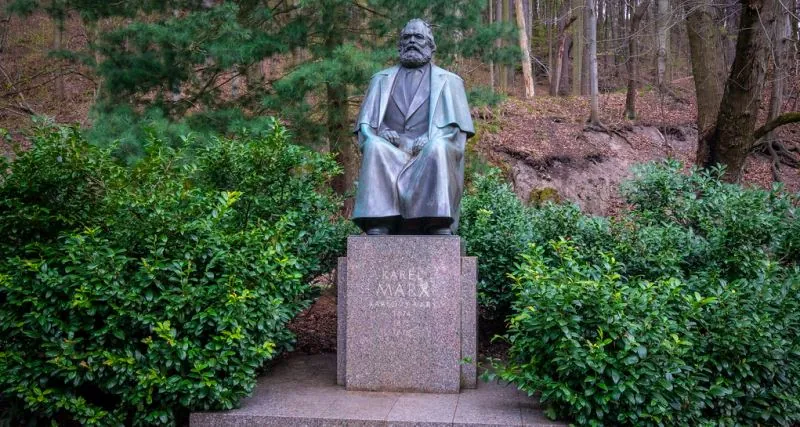
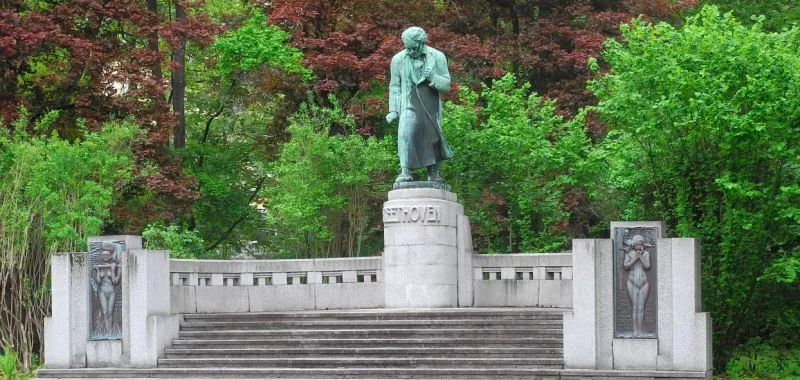
Karl Marx came here three times, and a monument to him stands in the city today. Ludwig van Beethoven's visit is commemorated with a memorial of its own. And in the summer of 1918, Mustafa Kemal Atatürk arrived for treatment while holding the rank of Mirliva, staying roughly a month. He kept a diary during that stay, and years later Afet İnan, widely described as Turkey's first female history professor, compiled those pages into a book.
One popular claim about the town does not hold up. Contrary to the version that circulates online, Leo Tolstoy did not give Karlsbad an important place in Anna Karenina; the novel's pages simply do not carry that weight. The real Karlsbad connections are already rich enough without it.
This piece was published on 22 December 2023 and has drawn 11.8k reads and 599 shares.
How the Hot Springs Were Discovered and Karlsbad Became a Spa Legend
Karlsbad, the old German name for Karlovy Vary in what is now the Czech Republic, owes its existence to a hunting emperor and a burst of steam. Charles IV, Holy Roman Emperor, is credited with discovering the hot springs here, and once word spread, settlement followed from the 14th century onward. Picture the scene: thick forest, a wounded stag, a valley floor suddenly breathing warm mist. Whether or not every detail of that first encounter survives, the springs themselves were real, and so was the town that grew up around them.
For a few hundred years, Karlsbad stayed a quiet bathing spot. Then the 18th century changed everything. Scientists arrived, studied the mineral waters, and published their findings. Those publications traveled across Europe, and so did the patients. People from many countries began making the journey for treatment, and over time Karlsbad became one of the continent's most famous health resorts.
That reputation turned the town into a stage for famous names. Karl Marx visited three times, and a monument to him still stands in the city. Ludwig van Beethoven's stay is commemorated with a memorial as well. One claim that often gets repeated, that Leo Tolstoy gave Karlsbad an important place in Anna Karenina, does not hold up; the novel does not center on the spa town the way the popular version suggests.
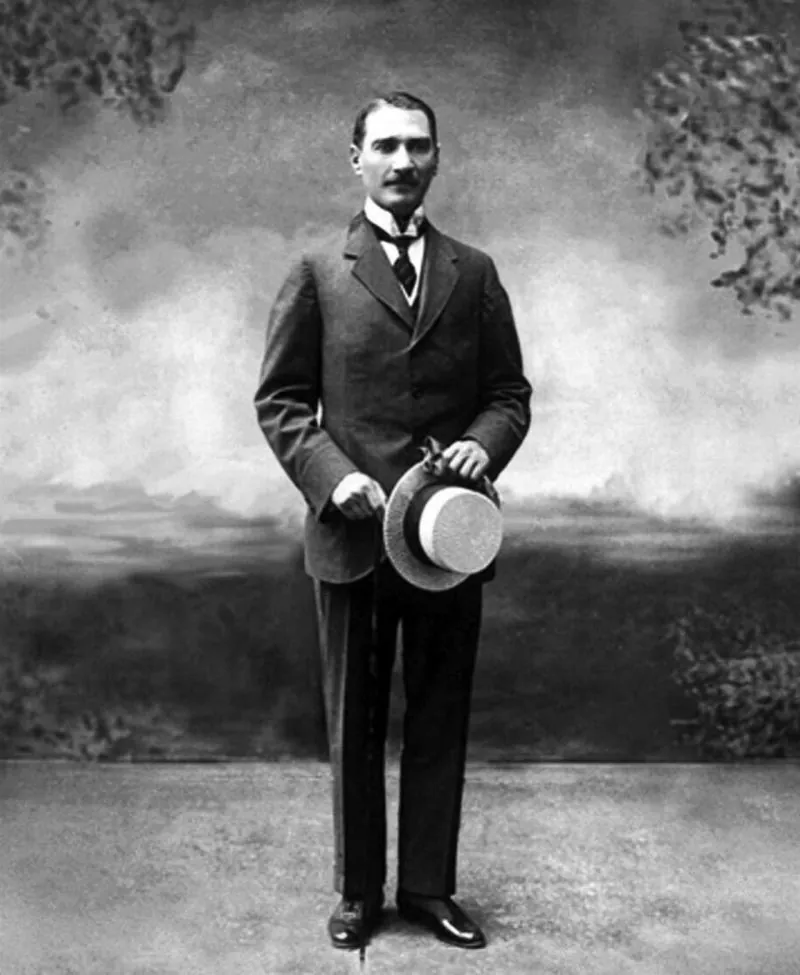
By the 20th century, Karlsbad's guest list included a figure with a very different story waiting for him back home. In the summer of 1918, Mustafa Kemal Atatürk, then a Mirliva, arrived for treatment and stayed about a month. He kept a diary during those weeks, and years later Afet İnan, often described as Turkey's first female history professor, compiled it into a book. His Karlsbad writings would eventually give readers a rare, human window into the man who would go on to found the Turkish Republic.
Famous Visitors: Marx, Beethoven, and a Questionable Tolstoy Claim
Karl Marx came to Karlsbad three times, and the town remembers him with a monument. That is a strange sentence to write about a spa known for its mineral water, but it fits the pattern. Karlsbad, the old German name for Karlovy Vary in what is now the Czech Republic, pulled in a remarkable range of guests once its springs became internationally famous in the 18th century.
Ludwig van Beethoven also made the journey, and a memorial in the city commemorates his stay. So did Mustafa Kemal Atatürk, who arrived as a Mirliva in the summer of 1918 for treatment and stayed about a month.
Then there is the Tolstoy story. You will still see it repeated: that Leo Tolstoy gave Karlsbad an important place in Anna Karenina. Contrary to the popular version, that claim does not hold up. Karlsbad plays no meaningful role in the novel, so treat this one as a piece of spa-town legend rather than literary fact.
Atatürk's 1918 Stay and the Diary That Became a Book
Mustafa Kemal Atatürk arrived in Karlsbad in the summer of 1918 as a Mirliva, a rank equivalent to brigadier general, and stayed for about a month to take the waters and rest. The future founder of the Turkish Republic checked into a spa town that had spent two centuries polishing its reputation as the continent's most fashionable place to get well.
What he left behind was not a military report or a political memorandum. It was a diary.
He wrote in it during his stay, recording the small daily texture of a man far from the front: the morning routine of drinking from the springs, walks through the colonnades, the weather, the people he met, and the ordinary irritations and amusements of a month abroad. The entries are dated, and they read less like a statesman's notes than like a traveler's private ledger.
That diary might have stayed in a drawer. Instead it was gathered up years later by Afet İnan, the historian widely regarded as Turkey's first female professor of history, who compiled the pages into a book. The volume is remembered under the title M. Kemal Atatürk'ün Karlsbad Hatıraları, and it is also known as Karlsbad'da Geçen Günlerim, or "My Days in Karlsbad."
According to the original account, one entry dated 4 July 1918, a Thursday, captures a moment of pure comedy. Atatürk describes walking in the rain with an umbrella, having handed his waterproof cape to his aide Şevki, who trailed a step or two behind. When the rain stopped, Atatürk lengthened his stride into something close to a military march. He noticed passersby stopping, staring, laughing. He glanced back and found Şevki wrapped to the ground in the cape, arms swinging, matching his commander's pace with the elaborate form of a raw recruit on a drill ground. Atatürk asked what he was doing. Şevki's answer was a single word: nothing.
The book matters for a reason beyond its charm. Karlsbad gave Atatürk a rare stretch of unguarded time, and the diary preserves it. We get the man who jokes about his soaked aide and frets over his coat, not the icon on a monument. For readers who know him only from portraits and proclamations, Karlsbad'da Geçen Günlerim is the closest thing to sitting across a table from him.
The Funny Diary Entry: Şevki and the Raincoat
As the story goes, Atatürk's Karlsbad diary holds an entry dated 4 July 1918, a Thursday, in which he describes a small comic scene involving his aide Şevki. The exact content of that particular entry can't be fully confirmed, but the account that has come down to us paints a picture that is hard not to smile at.
According to that account, Atatürk sets out on his morning walk under an open umbrella, drinking his glass of water sip by sip as he goes. The rain is coming down, and while his umbrella keeps his head dry, his coat is getting soaked. He had handed his raincoat to Şevki, who was following a few steps behind him. Then the rain lets up, and Atatürk picks up his pace, striding along almost like a soldier on parade. He notices people stopping to look at him, and they are laughing. He keeps walking but glances back over his shoulder, and there is Şevki, one or two steps behind, swallowed up inside that long raincoat that reaches all the way to the ground, swinging his arms and marching in step with his commander, lost in the moment. It was the kind of walk raw recruits do during drill in the training square. Atatürk starts laughing too. "What are you doing?" he asks. "Nothing, sir," Şevki replies.
That is the whole scene. No grand gesture, no history being made. Just a man in the rain and an aide who cannot resist playing soldier in an oversized coat, and a commander who laughs instead of scolding.
Frequently asked questions
What is Karlsbad called today?
Karlsbad is the old German name for Karlovy Vary, a spa town that sits inside the borders of the present-day Czech Republic. The German form was used for centuries, which is why older books, letters and travel diaries still call the place Karlsbad.
Who discovered the hot springs in Karlsbad?
The hot springs are traditionally credited to Charles IV, Holy Roman Emperor, who is said to have come upon them himself. Settlement around the springs began in the 14th century, and the town grew up directly on top of that discovery.
Why did Atatürk go to Karlsbad in 1918?
Mustafa Kemal Atatürk, then holding the rank of Mirliva, traveled to Karlsbad in the summer of 1918 for medical treatment. The waters were the point of the trip, and he stayed in the town for roughly a month.
Was Karlsbad a popular spa in the 18th century?
Yes. In the 18th century, scientists examined the local hot springs and published their findings, and those publications turned Karlsbad into an internationally famous health destination. People from many countries began arriving for treatment, and the town became one of Europe's best-known spa centers.
Did Beethoven and Marx visit Karlovy Vary?
Both did, and both are remembered with monuments in the city. Karl Marx visited Karlsbad three times, and a monument to him stands there. Ludwig van Beethoven's visit is commemorated with a memorial of his own.
How long did Atatürk stay in Karlsbad?
About a month, across the summer of 1918. He kept a diary during that stay, and years later it was compiled into a book by Afet İnan, widely described as Turkey's first female history professor.
What is the funny diary story about Şevki?
According to the account drawn from the diary, Atatürk's aide Şevki marched behind him wrapped in a long raincoat that dragged near the ground, swinging his arms in step. Passersby stopped and laughed, and Atatürk, glancing back, started laughing too. The exact wording of that entry is hard to confirm, so treat the scene as the story has come down to us.
Who compiled Atatürk's Karlsbad diary?
Afet İnan, Turkey's first female history professor, gathered the diary entries and turned them into a book. Without her work, those weeks in Karlsbad would have stayed private notes rather than a published record. Editorial note: Details that remain unconfirmed are presented as such, and verified facts are stated with confidence.
Got a take on this? Add your voice to the conversation below →
No comments yet. Be the first.