Ceramic Coating Car Protection: Does It Really Work?
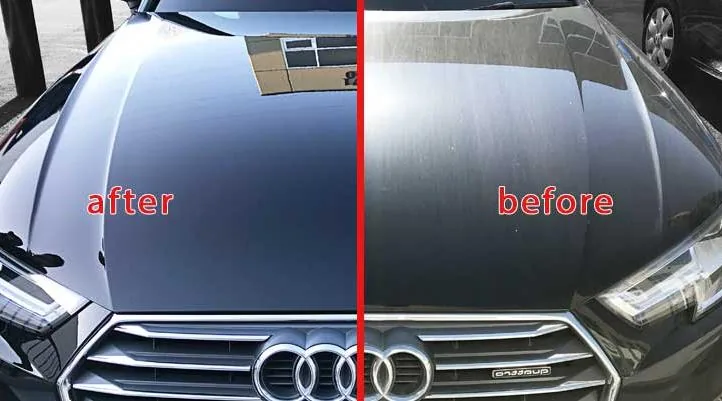
Ceramic coating car protection delivers real, durable defense against chemical stains and minor marring, but it is not the scratch-proof force field many detailers advertise. Since the technology became mainstream around 2015, car owners have flocked to these liquid polymers for their glossy, hydrophobic results, yet the gap between marketing hype and physical reality remains wide. Understanding what ceramic coating actually does, and what it cannot do, will save you from costly disappointment and help you set the right expectations for your paint's future.
Ceramic coating provides a semi-permanent layer of chemical protection that makes washing easier and keeps paint glossier for years. It does not prevent rock chips, deep scratches, or swirl marks, which still require careful washing technique. Real-world longevity rarely exceeds two years even with proper care, despite manufacturer claims of five to ten years.
- Ceramic coatings bond chemically with clear coat to create a hydrophobic layer that repels water and makes dirt easier to rinse off.
- The coating's primary strength is chemical resistance, protecting against bird droppings, bug splatter, tree sap, and industrial fallout that would otherwise etch the paint.
- Real-world testing by independent detailers shows most consumer-grade coatings maintain meaningful protection for about two years, with effectiveness starting to fade around the eighteen-month mark.
- The high-gloss shine often attributed to ceramic coating actually comes from the intensive paint correction and polishing performed before the coating is applied.
- While ceramic coatings offer some minor resistance to light marring, they are not a substitute for paint protection film when it comes to rock chips or deeper impacts.
The Shine That Isn't the Coating
That mirror-like gloss you see on a freshly coated car? It's not the ceramic coating car protection doing the heavy lifting. The real star of the show is the polishing that happens before a single drop of coating touches the paint.
Ceramic coating is a nano-technology-based protective layer applied to a car's surface, bonding at a molecular level to form a shield. But here's where the confusion starts. The dazzling shine people pay thousands for actually comes from paint correction, the polishing step that removes fine scratches and water spots from the clear coat. When those microscopic imperfections are buffed away, light hits the surface and reflects back cleanly, no scattering. That's your mirror effect. The coating just locks in what the polisher already achieved.
Walk into any detailing shop and watch the process. The technician spends hours with compounds and polishes, each with different abrasive levels, working the paint until it's flawless. Only then does the ceramic go on. Since every ceramic package includes this prep work, customers see the final result and credit the coating. It's an honest mistake, but it's still a mistake. The gloss was there the moment the polisher lifted his machine. The ceramic simply preserves it.
What Ceramic Coating Really Protects Against (and What It Doesn't)
Ceramic coating car protection is real, but it's narrower than most people assume. A quality ceramic coating will make water bead off your paint, delay the appearance of hazing, and stop bird droppings from etching into your clear coat. What it will not do is protect against physical scratches, no matter what the marketing claims.
Let's start with what actually works. The clear coat, that transparent top layer on your paint, is the real hero when it comes to blocking UV rays. Ceramic coating adds almost nothing in that department. Think of it this way: the ceramic layer protects the clear coat from getting scratched and dusty on the road, which in turn keeps the paint underneath safe. But if you want genuine UV defense, especially for your headlights, you need paint protection film, or PPF. Applying PPF over headlights prevents that ugly yellowing that sun exposure causes over time.
Here's where the scratch myth needs to be busted. No ceramic coating, regardless of price or brand, will stop a key from dragging across your door or a shopping cart bumping into your bumper. That's simply not what this product does. For real scratch protection, PPF is the only option worth considering. It's a physical film that absorbs impact, while ceramic is just a chemical layer measured in microns.
What ceramic does well is more subtle. A properly applied coating will shed water far better than traditional sealants, making washes quicker and easier. It also delays the fine swirling marks that build up on clear coats over time, and it gives bird droppings less chance to bite into the paint. These are genuine benefits, just not the ones you'll see in flashy advertisements.
One more thing worth knowing: the advertised lifespans of 10 years, 7 years, or even 5 years are optimistic at best. Even with pH-neutral shampoos and garage storage, most ceramic coatings lose their effectiveness within 1.5 to 2 years. Some fade even sooner. To stretch that window, you'll need to apply "topper" products with SiO2 additives every few washes, but even that only buys you so much time.
So before you pay for ceramic coating car protection, ask yourself what you're actually trying to protect against. Water spots and bird droppings? Ceramic has you covered. Scratches and UV damage? That's PPF territory.
The 2-Year Reality vs. the 5-10 Year Promise
That glossy brochure promise of five, seven, or even ten years of protection? In the real world, most ceramic coatings don't make it past the two-year mark, even when you treat your car like royalty with pH-neutral shampoo and garage parking. The advertised lifespan is a marketing dream, not a driveway reality.
Here's the honest math from people who actually apply this stuff. By the eighteen-month mark, the coating's effectiveness starts to fade noticeably. Water stops beading up quite so eagerly, and that just-washed glow dims a little. To stretch things out, detailers recommend "toppers", SiO2 refresher sprays you apply every few washes. They help, but only so much. You're essentially adding a thin layer of temporary protection over a base that's slowly giving up.
And let's be crystal clear about one thing: ceramic coating car protection has absolutely nothing to do with scratch resistance. That claim is pure fiction. A ceramic layer might shrug off bird droppings and slow down the hazing of your clear coat, but a stray shopping cart or a careless key will still leave its mark. If you want genuine scratch defense, you're looking at paint protection film (PPF), not a liquid coating.
So what does that two-year reality mean for your decision? It means ceramic coating is a maintenance commitment, not a set-it-and-forget-it miracle. You're buying enhanced water behavior, easier washing, and a deeper shine for a couple of seasons, not a decade of armor. Budget for the toppers, expect to reapply sooner than the marketing suggests, and you won't be disappointed when year three rolls around and your coating has quietly retired.
Cheaper Alternatives That Get You 80% There
If your only goal is that deep, wet-look gloss, you do not need to spend a fortune on ceramic coating car protection. A hand-applied sealant like Soft99 Fusso Coat, refreshed every 5-8 months, will give you most of the visual payoff for a fraction of the price.
The trick is in the prep work, not the product. Before any sealant touches the paint, you need paint correction: a polishing step that removes fine scratches, swirl marks, and water spots from the clear coat. This is the real source of that mirror-like reflection people admire. When light hits a perfectly smooth surface, it bounces back cleanly instead of scattering. The sealant just locks in that freshly polished finish.
Plan on repeating the abrasive polishing step every 1.5-2 years, depending on how and where you drive. In between, the sealant handles the day-to-day grime. It beads water nicely, makes washing easier, and keeps bird droppings from etching into the clear coat as quickly.
If even a sealant feels like too much commitment, ceramic-infused spray products from Autoglym, Meguiars, Sonax, Turtle Wax, and Gyeon offer a lighter-duty option. Applied over corrected paint, these sprays add a layer of protection and gloss that you can top up after a few washes. They will not last as long as a true ceramic coating, but they cost a fraction and take minutes to apply.
Here is the honest bottom line: ceramic coating is a nice product, not a necessity. It makes sense when you understand what it actually does, apply it correctly, follow proper washing habits, and maintain it with SiO2 booster products every few washes. But if you are chasing shine on a budget, corrected paint plus a good sealant gets you 80% of the way there for a tenth of the cost.
Frequently asked questions
What does ceramic coating actually do to a car?
Ceramic coating is a nano-technology-based protective layer that bonds at a molecular level to your car's factory clear coat. It provides genuine resistance against dirt accumulation and impressive water beading that makes washing easier. However, it does not protect against physical scratches, despite what many marketing materials suggest.
Why does a ceramic coated car look so shiny?
The mirror-like gloss you admire on a ceramic coated car comes from paint correction performed before the coating is applied. In 2024, professional detailers polish the clear coat with abrasive compounds to remove fine scratches and water spots, allowing light to reflect evenly. The ceramic itself adds depth, but that glassy shine is mostly the polished paint underneath.
How long does a ceramic coating really last?
Manufacturers advertise lifespans of 10, 7, or 5 years, but real-world results tell a different story. Most ceramic coatings lose their effectiveness within 2 years, even with proper pH-neutral washes and garage storage. Their water-beading performance typically weakens around the 1.5-year mark, requiring a SiO2 topper product to extend usability.
Does ceramic coating protect against scratches?
No, ceramic coating does not protect against scratches. For genuine scratch resistance, you need paint protection film (PPF), a physical urethane layer applied to vulnerable areas like the hood and bumpers. PPF also provides real UV protection, and applying it to headlights prevents the yellowing that occurs over time.
Got a take on this? Add your voice to the conversation below →
No comments yet. Be the first.