Why Japanese People Like America: Postwar Generosity
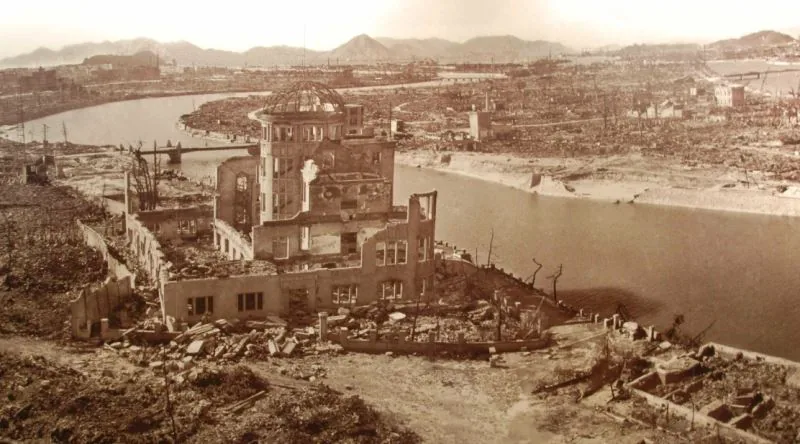
The enduring warmth many Japanese people feel toward the United States, despite the atomic bombings and wartime devastation, stems from the unexpected generosity of the American occupation and strategic Cold War alliances that rebuilt Japan after 1945. That mix of humanitarian aid and geopolitical pragmatism reshaped a bitter enemy into a steadfast partner, a transformation that still colors how Japanese society views America today. It is a story of calculated kindness meeting a nation desperate to rise from ashes.
After Japan's surrender in 1945, the US occupation under General MacArthur surprised many Japanese by providing food, land reform, and economic aid instead of the feared brutality. This generosity, later reinforced by Cold War security ties, helped rebuild Japan and fostered lasting positive sentiment toward the United States among many Japanese people.
- In September 1945, the US occupation began with a promise of reconstruction, not punishment, under General Douglas MacArthur's leadership.
- The US provided extensive food aid to Japan during the occupation, preventing widespread famine and earning genuine gratitude.
- American-led reforms helped rebuild Japan's democratic institutions, a move that won over a population that had expected exploitation.
- The occupation formally ended in April 1952, and the US-Japan security alliance that followed guaranteed Japan's defense during the Cold War.
- Public opinion in Japan shifted markedly during the occupation years, with gratitude replacing the dread that had marked the war's end.
The Fear That Shaped Postwar Japan
When World War II ended in August 1945, ordinary Japanese civilians braced for the worst. They genuinely believed American troops would annex their country, strip it of resources, and treat them as a conquered people with no rights at all. The fear wasn't abstract. It was visceral, personal, and grounded in something dark: the Japanese knew exactly what their own soldiers had done across Asia, and they expected the Americans to repay them in kind.
Japan's wartime record was brutal. Throughout the conflict, Japanese forces committed documented atrocities in China, the Philippines, Vietnam, Indonesia, and Korea, along with much of East Asia. Villages were burned. Civilians were killed. Women were forced into sexual slavery. Some observers have suggested Japanese troops committed violence comparable to or even exceeding that of Nazi Germany, though that comparison is a subjective judgment with no objective basis.
So when the Americans arrived, the Japanese anticipated rape, murder, imprisonment, and desecration of their temples and castles. They expected the Stars and Stripes to fly over their most sacred sites and their government to be dismantled entirely. According to anecdotal accounts, some local authorities even distributed cyanide pills to young women during the early occupation period, so they could take their own lives rather than face capture by what they imagined were bloodthirsty victors. That detail circulates in postwar memory, though systematic evidence for it hasn't been firmly established in mainstream historical records.
This wasn't paranoia born of nothing. The Japanese projected their own wartime behavior onto their conquerors. They had done terrible things to civilians on the Asian mainland. Why wouldn't the Americans do the same to them?
The Generosity That Surprised a Nation
When American occupation forces arrived in September 1945, the Japanese people braced for the worst. They expected conquest in the most brutal sense: mass executions, forced labor, the looting of their temples and natural resources. Instead, what unfolded over the next seven years, until April 1952, became one of the most unexpected chapters in modern history, and it helps explain why Japanese people like America today.
The contrast between fear and reality could not have been starker. Japan's own wartime conduct had set a terrifying precedent. As the story goes, Japanese authorities even distributed cyanide pills to young women so they could take their own lives rather than face capture by American soldiers. That fear felt logical at the time, given what Japanese troops had done to civilians across Asia.
But the Americans did something different. Rather than dismantling Japan, they helped draft a new constitution in 1947, guided the rebuilding of democratic institutions, and supported advances in technology and Western-style education. The occupation was strategic, certainly. Washington needed a Pacific ally against the Soviet Union and later China. Yet the concrete assistance was real, and it planted seeds of gratitude that have lasted for generations.
The Strategic Reason Behind the Kindness
The generosity was never pure charity, and the Americans never pretended otherwise. When U.S. occupation authorities poured resources into rebuilding Japan after 1945, they were making a calculated bet on the future of the Pacific. The Cold War was already taking shape, and Washington needed a reliable ally standing between the Soviet Union and the rest of Asia.
That strategic thinking shifted American policy from punishing Japan to rebuilding it. The occupation, which ran from September 1945 to April 1952, became less about retribution and more about creating a stable, democratic partner. The U.S. helped draft Japan's 1947 Constitution, supported the reconstruction of its industrial base, and pushed Western-style education reforms. Every one of those moves served a larger purpose: a strong Japan meant a buffer against communist expansion.
Later, the target shifted. As China grew into a regional power, Japan's role as a strategic counterweight became even more valuable. Looking at China's position today, the wisdom of that postwar policy is hard to argue with. The alliance that began with occupation documents and aid packages now anchors American strategy in the Pacific. The kindness, in other words, was always also a chess move, and it has paid off for decades.
Frequently asked questions
Did the Japanese expect a brutal American occupation?
Yes, and the dread was genuine. After World War II ended, Japanese civilians braced for the worst: mass rape of women, execution of soldiers, seizure of natural resources, and the erasure of their cultural identity. They assumed victory would bring the same cruelty they themselves had inflicted across Asia, so the actual behavior of American troops came as a profound shock.
What did the United States actually do during the occupation?
The United States kept Japan under military occupation for seven years but used that time to help rebuild rather than punish. American authorities directly oversaw the drafting of Japan's 1947 Constitution and guided the country toward democratic governance. They also supported reconstruction efforts, technological development, and Western-style education, which sparked lasting gratitude among the Japanese public.
Was American generosity purely altruistic?
Not at all. U.S. policy shifted toward rebuilding Japan as a strategic bulwark against the Soviet Union and later China. Washington needed a stable, allied Japan to counter communist influence in the Pacific and the China Sea. The kindness served self-interest, but that did not diminish its practical benefits for a devastated nation.
Did Japan's own wartime behavior affect how they viewed America?
It absolutely did. Japanese troops committed documented war crimes in China, the Philippines, Vietnam, Indonesia, and Korea throughout the war, including killing civilians and forcing women into prostitution. Having done such things themselves, the Japanese expected reciprocal treatment from the Americans. When that revenge never came, the contrast made American restraint look even more remarkable and earned genuine appreciation. Editorial note: Any facts in this article that remain unconfirmed are presented as such, with appropriate hedging to distinguish verified history from interpretation.
Got a take on this? Add your voice to the conversation below →
No comments yet. Be the first.