Galileo's 1633 Trial: No Torture, Just House Arrest
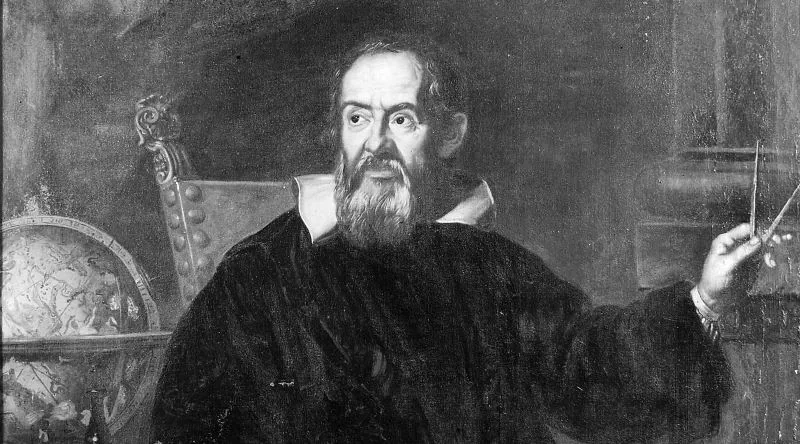
The Galileo Galilei trial of 1633 ended not with torture or a dungeon, but with a formal sentence of house arrest that lasted until his death in 1642. The aging astronomer, born in 1564, faced the Roman Inquisition in Rome for championing heliocentrism. The real story behind the Galileo Galilei trial is far more nuanced than the myth of a tortured martyr suggests.
In 1633, the Roman Inquisition found Galileo Galilei guilty of defending a banned view and defying church authority for supporting the Copernican theory that the Earth orbits the Sun. He was not tortured, nor did he spend a day in a prison cell. Instead, the aged scientist was sentenced to house arrest at his villa, where he lived out his remaining years under supervision.
- The trial took place in Rome in 1633.
- Galileo was never subjected to physical torture; the sentence itself was house arrest.
- His controversial book, "Dialogo sopra i due massimi sistemi del mondo," was banned, and he was ordered to recant his support for heliocentrism.
- Galileo served his house arrest at his villa, where he continued to receive visitors and work on other scientific projects until his death in 1642.
The Myth of Galileo's Torture
Galileo Galilei (1564-1642) never faced torture, and he was never thrown into a dungeon for claiming the Earth moves around the Sun. The reality of his punishment was house arrest at his villa, where he lived out his final years until his death in 1642. The popular image of a broken, tortured martyr simply does not match what the historical records show.
Part of the confusion comes from lumping Galileo together with other figures who met far grimmer ends. Giordano Bruno, for instance, was burned alive in 1600, and people often assume Galileo shared a similar fate. But the Florentine astronomer's story unfolded differently, and understanding the actual events of the Galileo Galilei trial reveals a more complicated picture of science, politics, and pride in 17th-century Italy.
Galileo was one of the brightest minds of his era. He improved the telescope and used it to discover Jupiter's four large moons, observed the phases of Venus, and studied sunspots systematically. All of this evidence pointed toward Nicolaus Copernicus's heliocentric model, the idea that the Earth orbits the Sun rather than sitting at the center of everything.
The trouble began when church authorities in Rome took notice. In 1616, the Copernican view was officially restricted: it could be presented as a mathematical hypothesis, a useful device for calculations, but it could not be defended as physical truth. Galileo was warned to tread carefully. He did not.
In 1632, he published his famous work, Dialogue Concerning the Two Chief World Systems, which staged a conversation between supporters of the geocentric model and the heliocentric model. The problem was the character named Simplicio, which translates roughly to "simpleton." Simplicio defended the traditional Earth-centered view and came across as foolish and inconsistent. Pope Urban VIII, who had once been friendly with Galileo, took this as a personal insult. What had started as a scientific debate turned into a matter of ego, prestige, and authority.
The pope's reaction set the stage for what came next. Galileo's sharp wit had made powerful enemies, and the intellectual climate in Rome was woven through with politics as much as theology. The stage was set for a confrontation that would define how we remember the Galileo Galilei trial for centuries to come.
The Brilliant Astronomer Who Pushed Too Far
Galileo Galilei, born in 1564, was the kind of mind that could not sit still. By 1610, he had improved the telescope enough to point it at Jupiter and find something nobody had ever seen: four small moons circling the planet. That single discovery blew a hole in the old idea that everything in the sky revolved around the Earth. He followed it up by observing the phases of Venus, which only made sense if Venus orbited the Sun, not the Earth. Then came his study of sunspots, showing that even the Sun itself was not perfect and unchanging.
Each piece of evidence pointed the same way. Copernicus had proposed decades earlier that the Earth moves around the Sun, and Galileo's observations lined up with that model beautifully. He was not shy about saying so. That confidence, as brilliant as it was, put him on a collision course with the Roman Catholic Church. In 1616, Church authorities ruled that the Copernican view could only be presented as a mathematical hypothesis, a useful device for calculations, not as physical truth. Galileo was personally warned to tread carefully. He listened, but only for a while.
By 1632, he published his famous Dialogue Concerning the Two Chief World Systems, where he let two characters argue the geocentric and heliocentric positions. The problem was the character defending the traditional Earth-centered view, a fellow named Simplicio, came across as a simpleton. Pope Urban VIII, who had once been friendly with Galileo, took it personally. The argument stopped being about science and became a battle over ego and power. In 1633, Galileo was called before the Inquisition in Rome on charges of defending a banned view and defying church authority. The verdict placed him under house arrest at his villa, where he lived out the rest of his life until his death in 1642. He was not tortured, contrary to the popular version, and he was not thrown into a dungeon. The punishment was real, but it was house arrest, not a torture chamber.
The famous phrase "e pur si muove," meaning "and yet it moves," supposedly muttered as he left the courtroom, is not found in any reliable contemporary record. It appears to be a romantic addition from later centuries. Even under house arrest, Galileo kept working. He corresponded with students and composed his thoughts on mechanics and motion. His eyesight was failing, yet in 1638 he produced Two New Sciences, a work now considered a foundation of modern physics. His freedom was limited, but his thinking never was.
The Book That Made It Personal: Dialogue and Simplicio
In 1632, Galileo Galilei published "Dialogue Concerning the Two Chief World Systems," a book that would turn a scientific debate into a personal feud with Pope Urban VIII. The trouble started with a fictional character named Simplicio, whose name literally means "simpleton." In the book, Simplicio defends the old Earth-centered view of the universe, and he comes across as dull, confused, and easily outmatched by the other speakers. The Pope, who had actually supported Galileo earlier in his career, saw himself and his philosophical position caricatured in that clumsy character. What had been an argument about astronomy suddenly became a matter of pride, prestige, and authority.
The book itself was written as a conversation between three men. One speaker champions Copernicus and the Sun-centered model, another serves as an open-minded neutral party, and then there is Simplicio, stubbornly clinging to the Ptolemaic system that placed Earth at the center of everything. Galileo gave Simplicio the weakest arguments, the kind that collapse under the slightest pressure. Anyone reading the dialogue could see which side the author favored, and anyone who held the traditional view could feel mocked. Pope Urban VIII reportedly took it personally, seeing his own carefully reasoned position on God's freedom to arrange the cosmos however He pleased reduced to the ramblings of a fool. The dispute stopped being about the movement of planets. It became a fight over who had the right to speak with authority, and the Galileo Galilei trial would follow within a year.
The 1633 Trial: What Really Happened
In 1633, Galileo Galilei stood before the Inquisition in Rome, charged with defending a banned view and defying church authority. The verdict was severe: he was forced to publicly renounce his beliefs and sentenced to house arrest for the rest of his life. But he was not tortured, and he was not thrown into a dungeon.
The path to that courtroom in Rome was paved with years of tension. Back in 1616, the Catholic Church had drawn a careful line: the Copernican view, that the Earth orbits the Sun, could be presented as a mathematical hypothesis, but not defended as physical truth. Galileo, born in 1564, had been told to tread carefully. He did not.
In 1632, he published his Dialogue Concerning the Two Chief World Systems, a book that staged a conversation between supporters of the old Earth-centered model and the new Sun-centered one. The problem was a character named Simplicio, whose name means "simpleton." This character defended the traditional geocentric view and came across as foolish and inconsistent. Pope Urban VIII, who had once been friendly with Galileo, felt personally mocked. The scientific debate curdled into a matter of pride, prestige, and authority.
When the verdict came down in 1633, the punishment was real but far from the stuff of legend. Galileo had to abjure, formally renouncing his Copernican views, and he was confined to house arrest at his villa until his death in 1642. The dramatic words "e pur si muove" ("and yet it moves"), supposedly muttered under his breath as he left the courtroom, do not appear in any reliable contemporary record. The phrase likely emerged in the mid-18th century, a romantic addition to a story that needed a defiant closing line.
Even under house arrest, Galileo kept working. He corresponded with students, compiled his thoughts on mechanics and motion, and despite failing eyesight, produced Two New Sciences in 1638, a work now considered a foundation of modern physics. His freedom was curtailed, but his thinking was not. The Galileo Galilei trial was less a story of a martyr broken by torture and more a story of how science collides with authority, ego, and the power structures of its time.
House Arrest, but Not Silence
The villa became Galileo Galilei's world in 1633, and it stayed that way until his death in 1642. The man who had once strode through the courts of Rome now measured his freedom in the steps from his study to his garden. Yet the sentence that confined his body never once touched his mind.
Letters flowed out from that villa like water from a spring. Students came to sit at his feet, carrying questions and leaving with answers that would shape the next century of science. His eyesight was failing, dimming like a candle burning low, but the ideas inside him burned brighter than ever. In 1638, five years into his house arrest, he completed "Two New Sciences" (Discorsi e dimostrazioni matematiche intorno a due nuove scienze), a work that laid the foundations for kinematics and the strength of materials. Modern physics traces a direct line back to those pages, written by a man who could barely see the paper beneath his hand.
His freedom was a cage, but his thinking was not. The Galileo Galilei trial had silenced his voice in public, yet the manuscript he produced in confinement spoke louder than any courtroom verdict. He died in 1642, still under the sentence of house arrest that had been handed down for the rest of his life, still corresponding with students, still refusing to let the limits of his circumstances define the limits of his inquiry. The story of his punishment is often told as a tragedy, but the truer tale is one of stubborn, quiet persistence.
Frequently asked questions
Was Galileo tortured during his trial?
No, Galileo Galilei was not tortured. The 1633 Inquisition proceedings in Rome were intense and intimidating, but physical torture was never applied to him. He was sentenced to permanent house arrest, which he served until his death in 1642.
What was Galileo's actual punishment?
Galileo received a life sentence of house arrest following his 1633 trial before the Roman Inquisition. He was required to formally renounce his support for Copernican heliocentrism and was confined to his villa. He remained there for the rest of his life.
Who was Pope Urban VIII and what role did he play?
Pope Urban VIII felt personally insulted by Galileo's 1632 book "Dialogue Concerning the Two Chief World Systems." The character Simplicio, who defended the geocentric view and appeared foolish, seemed to mock the Pope's own arguments. This personal offense helped drive the decision to prosecute Galileo.
Did Galileo really say "e pur si muove" (and yet it moves)?
Probably not. No contemporary record from the 1633 trial contains this famous phrase. The earliest known source for "e pur si muove" dates from the mid-18th century, more than a hundred years after Galileo's death. It appears to be a romantic addition to the story rather than a documented historical fact.
What did Galileo accomplish during his house arrest?
Galileo remained remarkably productive while confined. He corresponded regularly with students and composed "Two New Sciences," published in 1638, which laid foundations for modern physics in kinematics and the strength of materials. Despite losing his sight, he continued working on mechanics and motion until his death in 1642.
How did Galileo's observations support Copernicanism?
Galileo's telescopic observations provided powerful evidence for the Sun-centered model. He discovered Jupiter's four large moons, proving not everything orbited Earth. He observed the phases of Venus, which matched Copernican predictions, and studied sunspots, demonstrating that celestial bodies were not perfect and unchanging. Editorial note: Any facts which remain unconfirmed are presented as such, including the precise wording of Galileo's alleged muttered recantation and the exact legal procedures of the 1633 Inquisition.
Got a take on this? Add your voice to the conversation below →
No comments yet. Be the first.