Titanic's Fourth Funnel: Why Was It Added?
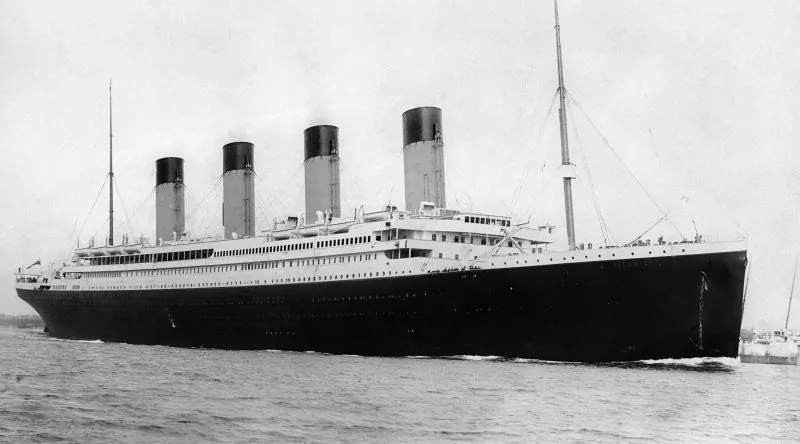
The Titanic's fourth funnel was added primarily for aesthetics, not function, serving as a grand ventilation shaft while the first three funnels carried the smoke from the ship's boilers in 1912. This iconic but non-functional smokestack was a bold design choice that made the Olympic-class ships look more powerful and elegant, a decision that has fascinated maritime historians ever since. The sight of that majestic, slightly tilted fourth funnel rising above the Atlantic still stirs the imagination, reminding us that even the most practical engineering feats often bow to the allure of beauty.
The Titanic had four funnels, but only three were connected to the boiler rooms. The fourth, added purely for looks and ventilation, made the ship appear larger and more balanced. It vented kitchen and engine room air, never emitting smoke, a design choice that defined the Olympic-class silhouette.
- The Titanic's fourth funnel was purely cosmetic, designed to make the ship look more powerful and symmetrical.
- Only the first three funnels were connected to the boiler uptakes and actually emitted smoke.
- The fourth funnel served as a ventilation shaft for the ship's galleys and engine rooms.
- This design choice was a hallmark of the Olympic-class liners, including the Britannic.
- The fourth funnel also housed a water tank and a ladder for crew access, adding practical value.
The Funnel You Never Saw Smoking
Look at any photograph of the Titanic and your eyes will land on those four iconic funnels. But here's the secret hiding in plain sight: the fourth one never actually smoked. That's right. The rear-most funnel on the most famous ship in history was, for all practical purposes, a decorative piece of engineering theater.
The Titanic, which sank on its maiden voyage in April 1912, was one of three sister ships built for the White Star Line. Along with the Olympic and the Britannic, these Olympic-class liners were designed to dominate the transatlantic route. The first three funnels of the Titanic served a purely mechanical purpose. They connected directly to the boiler rooms below, channeling exhaust from 29 coal-fired boilers that powered the massive engines. Smoke, soot, and hot gases all rushed up through those three stacks and vanished into the Atlantic sky.
But the fourth funnel? It never touched a single boiler. Instead, it was added for one simple reason: balance. Without it, the ship's silhouette would have looked stubby, almost unfinished. Naval architects knew the extra funnel served no mechanical purpose, yet they installed it anyway because it made the vessel look longer, stronger, and more majestic. In an era when bigger meant better, the visual impression mattered as much as the engineering.
That doesn't mean the fourth funnel was useless. It housed ventilation ducts that pulled fresh air into the galleys, smoking rooms, and other interior spaces below deck. On a calm day, you might have seen a wisp of steam curling from it, the byproduct of kitchen ranges and passenger activity. But the thick black smoke that poured from the first three funnels never came from number four.
It was a masterstroke of marketing through design. Passengers boarding the Titanic in 1912 saw four proud stacks and assumed they were looking at four times the power. The ship carried that illusion across the Atlantic, right up until the iceberg ended everything. Today, when you see a replica or a film version of the Titanic, you're seeing that same deliberate deception. The fourth funnel remains what it always was: a beautiful lie that made history look even grander than it already was.
Why Titanic's Fourth Funnel Was Really Added
If you've ever looked closely at photos of the RMS Titanic, launched in 1911, you might have noticed something odd: the fourth funnel never puffed smoke. That's because the Titanic fourth funnel wasn't connected to the boilers at all. It existed for a different reason entirely, one rooted in looks rather than engineering necessity.
The Titanic was one of three Olympic-class ocean liners built for the White Star Line, alongside her sister ships Olympic and Britannic. For these grand vessels, the first three funnels were genuine workhorses, channeling exhaust from the 29 coal-fired boilers that powered the ship. But that fourth funnel? It was pure theater, added to give the ship a sense of balance and elegance that three stacks just couldn't deliver.
That doesn't mean the fourth funnel was completely useless. It did serve a real purpose, housing ventilation ducts for the galleys, smoking rooms, and other interior spaces. Smoke from the galley ranges could drift up through it, and it helped circulate air through the ship's lower decks. But here's the honest truth: a much smaller vent could have handled that job just fine. The engineers knew it, and so did the designers.
What the fourth funnel really did was make the Titanic look more powerful, more beautiful, and more commanding on the ocean. In an era when four funnels signaled strength and speed, the White Star Line wanted its flagship to measure up visually. So they added a funnel that never smoked, purely for the silhouette. And it worked. The Titanic's profile, with those four towering stacks, became one of the most recognizable images in maritime history, even if one of those stacks was just for show.
What Came Out of the Fourth Funnel?
The short answer: almost nothing smoky. The Titanic's fourth funnel never carried combustion smoke from the boilers, which is exactly why passengers and photographers so rarely caught it puffing. It was a beautiful piece of theater, bolted on for looks rather than necessity.
Here is how the trick worked. The first three funnels of the 1912 ocean liner were hard at work, drawing exhaust from the 29 coal-fired boilers below deck. Those three were the lungs of the ship, pulling fresh air down to the stokeholds and pushing the black coal smoke up and out. The fourth one, however, was not connected to any boiler uptakes at all.
Instead, that rear funnel handled lighter duties. It vented the galley ranges, the smoking rooms, and other interior spaces, so it could release a wisp of steam or a faint trace of kitchen smoke now and then. But it never belched the heavy, dark plumes its three older siblings produced. That is why in nearly every photograph of the ship, the fourth funnel looks clean and quiet while the others stream with soot.
Was it useless? Not quite. It did real ventilation work, though the same job could have been done with a smaller vent pipe. The true reason it existed was aesthetic. The White Star Line wanted the Titanic, along with its sister ships Olympic and Britannic, to look balanced and grand on the water. Four funnels gave the vessel a longer, more powerful silhouette, a sense of strength that three simply could not match. So the designers added the fourth for symmetry and elegance, a deliberate choice that made the ship look the part of an unsinkable marvel, even if that fourth funnel was more decoration than necessity.
Frequently asked questions
Why did the Titanic have four funnels?
The Titanic carried four funnels because her first three were essential for venting the 29 coal-fired boilers below decks, while the fourth was added for visual balance and to channel air from the kitchens and other enclosed spaces. The Olympic-class liner, built in 1911, needed three functional exhausts for her massive engine rooms. The fourth simply made her silhouette look complete and majestic.
Did the Titanic's fourth funnel emit smoke?
No, the Titanic's fourth funnel never poured out the thick black coal smoke that the other three did. Since it was not connected to the boiler uptakes, it carried no combustion exhaust. At most, passengers might have noticed a wisp of steam or light smoke rising from the galley ranges and ventilation ducts that fed into it, but nothing like the dramatic plumes from her working funnels.
Was the Titanic's fourth funnel purely decorative?
The fourth funnel was not purely decorative, though aesthetics drove its placement. It served a real purpose by ventilating the galleys, smoking rooms, and other interior spaces that needed fresh air circulation. That said, a smaller ventilator could have handled the same job. The designers at Harland and Wolff chose the full-size funnel because it made the ship look stronger, more powerful, and more elegant on the water.
How many funnels did the Titanic actually need?
The Titanic technically needed only three funnels to serve her boilers, which is exactly how many were connected to the engine rooms. The fourth was a design addition that balanced the ship's profile. She was part of the Olympic class alongside her sister ships Olympic and Britannic, all built by the White Star Line in the early 1910s, and all three carried that signature fourth funnel for the sake of symmetry and style.
Got a take on this? Add your voice to the conversation below →
No comments yet. Be the first.