Crixus: The Celtic Gladiator Who Died in 72 BC
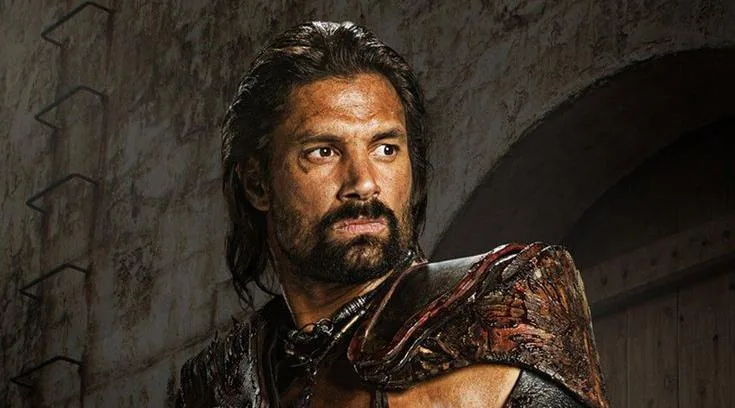
Crixus was a Celtic gladiator who trained at the ludus in Capua and rose to become one of Spartacus's leading commanders in the Third Servile War, until his death in 72 BC. He was a Gaul, and the ancient writers say he came to the arena as a captive, though no source clearly documents that capture. For a time he and Spartacus commanded thousands of escaped slaves together. Then their aims split, and Crixus marched his own force into a battle he could not win. His death hardened the war and set the stage for the reprisals that followed.
Crixus was a Celtic gladiator held at the ludus in Capua who escaped with Spartacus in 73 BC and became a senior leader of the Third Servile War. He broke from Spartacus in 72 BC and was killed with his army by Roman forces, commonly placed at Mount Garganus, according to the ancient accounts.
- Crixus trained as a gladiator at the ludus in Capua before the revolt of 73 BC.
- He escaped with Spartacus and other gladiators and became one of the rebellion's chief commanders.
- In 72 BC he separated from Spartacus and led a force of his own.
- Roman forces under the consul Lucius Gellius defeated and killed Crixus, according to the ancient writers.
- Spartacus is said to have honored his death with funeral games in which captured Romans fought as gladiators.
Who Was Crixus, the Gladiator the Arena Made?
Crixus was a Celtic gladiator who trained in the ludus of Batiatus at Capua and became one of the most important leaders of the slave army that rose against Rome after Spartacus. The ancient writers, Plutarch, Appian and Florus among them, call him a Gaul, and the war-hardened Celtic world he came from shaped the fighter he became.
Picture the ludus at Capua: packed sand, iron gates, the smell of sweat and oil, and men who had already lost everything. That is where the famous slave revolt began, at the house of Batiatus, and Crixus stood at the center of it. Ancient writers place him there alongside Spartacus. The arena had tested them both, and both were burning for freedom.
From the Arena to the Rebel Camp
Crixus was not content just to survive his bouts. He wanted to prove himself, fight after fight, until the crowd knew his name. As the story goes, he had come to Rome as a captive before landing in the gladiator school, though no ancient source clearly documents his capture, so that part of his road is reported rather than certain.
When the revolt broke out, the two gladiators fought side by side at first and complemented each other. Crixus became one of the most important leaders of the slave army after Spartacus, a man whose physical strength, fighting technique and charisma poured courage into the rebels around him. He was not the strategist Spartacus was. His war was about blood and victory, and his anger at Rome's cruelty came out in the fighting yard with a wild, unbroken resolve.
Two Leaders, Two Ideas of Freedom
At the start, the two leaders moved in remarkable harmony. Over time their ideals drifted apart. Spartacus thought in the long term, planning to cross the Alps and lead the slaves back to their homelands. Crixus wanted to hit Rome head-on. That disagreement split the army, and Crixus took his own force to fight on his own terms.
The arena had taught Crixus how to win a fight. It had not taught him how to outlast a legion.
A War God of the Slave Army, and the Crack in the Alliance
In the rebel camp, Crixus cut a figure that men followed on instinct. He was a Gaul, a Celtic warrior by the historians' reckoning, and everything about him read as strength: the build, the technique, the raw charisma that made desperate slaves believe they could actually win. Where Spartacus drew men with a plan, Crixus drew them with presence. He fought not merely to survive the arena but to prove himself in it, and that appetite for victory never left him.
He was not, however, a strategist in the way his famous comrade was. Crixus's war was about blood and triumph, an outlet for rage against Roman cruelty. He wanted to hurt Rome, plainly and directly, and he wanted it on the fighting ground. That hunger made him terrifying. It also made him predictable to anyone thinking in years rather than afternoons.
At the beginning, the two men were strikingly in step. No serious quarrels divided them in those first weeks. But ideals drift when the immediate danger fades, and the rebel leaders began to want different futures. Spartacus looked past the next battle: he planned to take the army across the Alps and lead the freed slaves back toward their homelands. Crixus wanted none of that long road. Rome was the enemy, and Rome was here, and he preferred to strike at it head-on.
That disagreement split the army. Crixus and Spartacus parted ways, and Crixus took his own force to fight Rome on his own terms. The choice cost him everything. Separated from the strength of the main rebel army, his contingent stood exposed before the legions, and in 72 BC the Roman general Lucius Gellius destroyed it. Crixus died in that battle, fighting like a legend but unable to hold against a superior Roman force. Appian records what came next: Spartacus, grieving his friend and comrade, took about 300 Roman citizens and made them fight as gladiators in Crixus's memory. It was revenge and a farewell in the same brutal gesture.
Mount Garganus, 72 BC: The End of Crixus
In 72 BC, in southern Italy, the slave army led by Crixus was destroyed by the Roman general Lucius Gellius, and Crixus himself was killed in the fighting. The battle is commonly located at Mount Garganus. The Celtic gladiator who had once stood beside Spartacus died on that field, and his death would push his closest comrade toward one of the most chilling acts of revenge in the whole slave war.
Once the rebel forces split, Crixus lost the one thing that had kept his smaller band alive: the weight of Spartacus's numbers. Stripped of that strength, his force stood exposed to the legions. Gellius, a seasoned Roman commander, brought his army down on them and wiped the slave contingent out. It was the kind of end the Romans had predicted from the start. A band of escaped gladiators and farmhands, no matter how fierce, could not hold a line against trained soldiers who had spent their lives in formation.
Even so, Crixus did not go quietly. The accounts describe him fighting like a legend in those final hours, cutting and pressing forward to the last, but courage alone could not bridge the gap between a slave army and the full weight of Rome. He fell in the battle, and with him went a large share of the rebellion's fighting strength.
Spartacus took the news of his close friend and comrade-in-arms with deep sorrow. The two had come out of the same gladiator school in Capua, survived the same arenas, and broken the same chains. Their arguments over strategy had divided them, but the bond underneath never broke.
What Spartacus did next was both a funeral and a threat. Appian records that he took about 300 Roman citizens captive and forced them to fight as gladiators in Crixus's memory. The message was deliberate and unmistakable. Rome had made men kill for sport, and now Rome's own sons would die the same way, in honor of the man the legions had cut down.
Frequently asked questions
How did Crixus end up in the arena?
The story goes that Crixus was captured by Rome and, like many other captives, found himself inside one of the gladiator schools, the household of Batiatus, though no ancient source clearly documents his capture. What the sources do confirm is his presence in that Capuan ludus, the training ground where the great slave revolt broke out in 73 BC. Spartacus was there too, and in the early days they fought side by side.
Why did Crixus and Spartacus part ways?
At the start, the two leaders were remarkably in tune. Over time their ideals drifted apart. Spartacus had a long-term plan: cross the Alps and take the slaves home. Crixus wanted something simpler: war with Rome, now. That disagreement split the army, and Crixus took his own contingent to fight the legions on his own terms.
How did Crixus die?
Separated from Spartacus's strength, Crixus and his followers were far more exposed. In 72 BC his slave army was destroyed by the Roman general Lucius Gellius, and Crixus fell in that battle, commonly placed at Mount Garganus. He fought like a legend, but the legions were too much.
How did Spartacus avenge Crixus?
Spartacus grieved deeply for his friend and comrade. Appian records that he took about 300 Roman citizens captive and made them fight as gladiators in Crixus's memory. It was a revenge and a farewell in the same gesture, and it is the reason Crixus's name still carries weight today. Editorial note: Details drawn from ancient accounts are limited and sometimes contradictory, so any facts that remain unconfirmed are presented here as such.
Got a take on this? Add your voice to the conversation below →
No comments yet. Be the first.