Bruce Dickinson Sarajevo Concert: Rocking the 1994 Siege
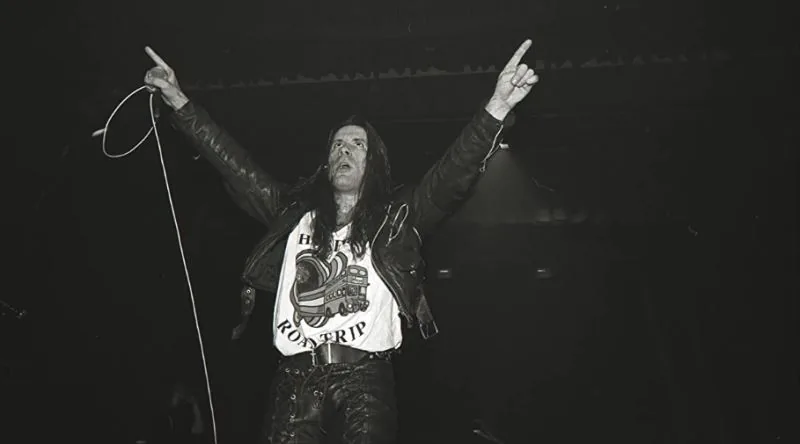
In December 1994, Bruce Dickinson played a full solo concert inside the besieged city of Sarajevo, becoming the first major international rock star to perform there during the Bosnian War. That Bruce Dickinson Sarajevo concert turned a cramped underground venue into a defiant flash of hope for hundreds of war-weary fans, and it still echoes today as one of rock's most improbable and moving shows.
In late 1994, during the siege of Sarajevo, Bruce Dickinson flew into the city under the cover of a UN relief flight and played a live show for hundreds of locals. The concert happened in a small basement venue, and its story was later captured in a documentary film.
- The concert took place on December 14, 1994, during the Bosnian War and the ongoing siege of Sarajevo.
- Bruce Dickinson, then on his solo tour, traveled to Sarajevo via a UN flight to reach the city.
- The performance was held at a small venue that had been converted into a makeshift club.
- The crowd consisted of hundreds of Sarajevan residents who braved the war conditions to attend.
- The event was later immortalized in the documentary film "Scream For Me Sarajevo."
The Night Bruce Dickinson Told a War Zone to Scream
On December 14, 1994, Bruce Dickinson stepped onto a stage in Sarajevo and asked a crowd of war survivors to scream for him. The city was in the third year of the Bosnian War (1992–1995), surrounded by hills where Serbian snipers watched through their scopes. For ninety minutes, the Iron Maiden frontman's solo band gave a besieged city something it had almost forgotten: music that made people feel alive again.
The venue sat in a Sarajevo that had been under siege for nearly three years. Electricity flickered, buildings lay in rubble, and getting to the show meant crossing streets where mortar shells had landed hours earlier. Yet the crowd came. They packed into the space, young people who had grown up with war instead of concerts, and when Dickinson's band launched into their set, the weight of the siege lifted just a little.
This wasn't Iron Maiden. Dickinson had stepped away from the legendary metal band to pursue his solo career, and his touring group was a different beast entirely. But the name didn't matter to the audience that night. What mattered was that someone from the outside world had chosen to come to them, to stand on their broken ground and play rock and roll while the guns stayed silent in the hills.
The band had risked everything to be there. They traveled through a war zone, past checkpoints and destroyed roads, carrying equipment that suddenly seemed trivial compared to the reality around them. Bassist Chris Dale later recalled arriving at the venue and spotting a British UN soldier. The soldier pointed to the hills and asked if Dale could see the brown line and the flags beside it. When Dale said yes, the soldier told him that was the Serbian front line. Dale, in his own words, reacted "like a complete tourist," saying he'd never seen a front line before and found it exciting. The soldier's response cut through the naivety: "They're watching you right now, the same way you're watching them, down the barrels of their guns." Dale protested that they were with the UN, civilians, a rock band there to play music. The soldier shook his head. "They'll shoot you. They'll shoot the vehicles too. Usually."
That night, the danger didn't matter. The Bruce Dickinson Sarajevo concert became a lifeline, ninety minutes where the war paused for the people in that room. The audience sang, screamed, and let themselves feel something other than fear. For those who made it through the siege, that show became a memory of hope they carried for years. As the story goes, even the band members themselves were changed by it, though that part of the tale belongs to what happened after the music stopped.
A Tourist's Mistake: The UN Soldier's Warning to Chris Dale
The bassist Chris Dale nearly paid for his curiosity with his life before the Bruce Dickinson Sarajevo concert even began. As the band's equipment was being unloaded from vehicles into the venue, Dale struck up a conversation with a British soldier serving with the United Nations peacekeeping forces in the besieged city.
The soldier pointed toward the hills surrounding Sarajevo and asked Dale if he could see the brown line and the flags beside it. Dale said yes. That line, the soldier explained, was the Serbian front line. The war that had gripped Bosnia and Herzegovina since 1992 was still very much alive, and those hills were not scenery. They were a shooting gallery.
Dale, by his own admission, reacted like a tourist. He had never seen a front line before, and he said so with genuine excitement. The soldier's reply cut through that enthusiasm instantly. "They're watching you right now, just like you're watching them, through the barrels of their guns."
Dale tried to reason his way out of the danger. They were with the UN, he argued. They were civilians. They were a rock band, there to play rock'n'roll. Nobody would shoot at them. The soldier's answer landed like a slap. "They'll shoot you, they'll shoot the vehicles... usually!"
That moment stripped away any illusion that this was a normal gig. The band had traveled through a war zone to reach a shattered city where snipers treated human life as target practice, and where getting home alive was a coin flip. Dale's tourist mindset evaporated the second he understood that the men on those hills were not interested in the distinction between soldier and musician. In the grim arithmetic of the siege, everyone was a target.
'The Most Meaningful Concert of My Life': The Audience's Story
For the young people who packed into that Sarajevo venue on December 14, 1994, the Bruce Dickinson Sarajevo concert was not entertainment. It was a lifeline. They said so plainly in the documentary: during the war years, music was one of the few things that kept them tethered to life itself.
Put yourself in their shoes for a moment. Outside, on the hills that ringed the city, Serbian snipers were picking off targets the way someone might shell sunflower seeds. Your odds of making it home alive that night sat somewhere around fifty percent. Then Bruce Dickinson looked out at you from a stage in your ruined city and shouted, "Scream for me Sarajevo!" For ninety minutes, there was no war. There was only the music, and there was hope.
The testimonies in Scream For Me Sarajevo, the 2016 documentary directed by Tarik Hodžić, capture this with aching clarity. These were people who had survived the siege of Sarajevo, which lasted from 1992 to 1995 during the Bosnian War. They described the concert as a moment that gave them strength and a reason to keep going. One attendee after another spoke of how that single night, in a city under constant bombardment, reminded them that a normal life was still possible.
The band felt it too, and drummer Alessandro Elena put words to it that still choke him up. "After this concert, no other concert meant anything to me," he said, his eyes welling. "It was the most meaningful concert of my life. Because after all my other concerts, the audience went home to warm beds. After the Sarajevo concert, it was doubtful those kids could even get home at all."
The emotional weight of that night stayed with everyone. When Dickinson and several original band members returned to Sarajevo in 2015, they visited the places they had seen during the war. The footage from that return visit shows faces heavy with memory. The concert had marked them all, performers and audience alike, in ways that twenty years had not softened.
Returning to Sarajevo in 2015
Twenty-one years after the December 14, 1994 concert that defied a war, Bruce Dickinson and his bandmates walked the streets of Sarajevo again in 2015. They returned to the exact places they had seen during the siege, and the cameras caught something raw on their faces. This was not a victory lap or a nostalgia tour. It was a pilgrimage back to the moment that changed how they understood what music could do.
The visit was tied to the making of Scream For Me Sarajevo, the documentary directed by Tarik Hodžić that would be released in 2016. Standing in the same ruined venues and city blocks where they had played while snipers watched from the hills, the band members let the weight of that night settle over them again. The emotional intensity on their faces during the 2015 return said more than any interview could. These were men who had carried the memory of that concert for two decades, and being back in Sarajevo made it newly vivid.
Then there is what drummer Alessandro Elena said. His words cut straight to why this particular show mattered more than any other in his career. After every other concert he had ever played, the fans went home to warm beds. They had somewhere safe to sleep, a door to lock, a morning to wake up to. But the kids at the Sarajevo concert in 1994 had no such certainty. Whether they would even make it home that night was an open question, a gamble played against the odds of mortar fire and sniper bullets. Elena's voice cracked as he said that no other concert meant anything to him after this one. Because what is a show, really, when the audience can walk out into a normal night? And what is a show when the audience might not survive the walk home at all?
That contrast, between the ordinary concerts and the one in a besieged city, is what made the 2015 return so heavy. The band did not just revisit a place. They revisited the understanding that for ninety minutes in 1994, they had given a city under siege something that war could not touch. The faces in 2015 showed it plainly: that night had marked them as deeply as it had marked Sarajevo.
The Documentary: Scream For Me Sarajevo
The documentary Scream For Me Sarajevo (Haykır Saraybosna in Turkish) captures the December 14, 1994 concert and the siege that surrounded it. Directed by Tarik Hodžić and released in 2016, the film is a raw, emotional record that refuses to look away from what the city endured during the Bosnian War between 1992 and 1995.
The first half of the documentary is brutal. Archival war footage shows the destruction of Sarajevo, and the images are not easy to sit through. The author of the original account admits to struggling with them, comparing the graphic content to the BBC series The Death of Yugoslavia, which they could only watch in fragments. This is not a polished rock documentary with glossy backstage moments. It is a film that forces you to understand what it meant to hold a concert while snipers watched from the hills.
What makes the film so powerful is the way it weaves together the horror and the hope. You see young people at the concert, their faces lit up by the stage lights, knowing that outside the venue walls, the odds of making it home that night were roughly fifty-fifty. For an hour and a half, the war paused. There was only music, and there was hope.
The documentary also captures the aftermath. In 2015, Dickinson and several original band members returned to Sarajevo, visiting the places they had seen during the war. The emotion on their faces is unmistakable. Drummer Alessandro Elena, speaking through tears, said that no concert after that one ever meant the same to him, because in Sarajevo, the kids in the audience could not be sure they would even make it home that night.
This is a film that knots your throat and leaves a bittersweet smile on your face. It is difficult to watch, but it matters. For anyone curious about the Bruce Dickinson Sarajevo concert, this documentary is the definitive record of why that night meant so much to the people who lived through the siege.
Frequently asked questions
What was the Bruce Dickinson Sarajevo concert?
The Bruce Dickinson Sarajevo concert was a solo performance the Iron Maiden frontman gave on December 14, 1994, in the middle of the Bosnian War (1992–1995). While Sarajevo was under siege and snipers controlled the surrounding hills, Dickinson and his solo band played a full show for civilians trapped in the city. It became one of the most legendary rock performances of the 20th century.
Why did Bruce Dickinson perform in Sarajevo during the war?
Dickinson went to Sarajevo to bring music and hope to people living under siege. For roughly an hour and a half, the war stopped existing for the audience: there was only music. Survivors later said the concert gave them strength and, for some, a reason to keep living through one of the most brutal conflicts in modern European history.
What did the UN soldier warn Chris Dale about?
Chris Dale, Dickinson's bassist, recalled a British UN soldier pointing to the brown line and flags on the hills above the venue. The soldier explained those were the Serbian front lines, and that snipers were watching them through their scopes. When Dale said they were civilians and a rock band, the soldier replied bluntly: "They'll shoot you, and they'll shoot the vehicles too."
How did the Sarajevo audience react to the concert?
The audience was profoundly moved. People who attended described the performance as one of the few things that kept them connected to life during the war. Drummer Alessandro Elena later said no concert he ever played mattered as much: after every other show, fans went home to warm beds, but in Sarajevo, the kids in the crowd had no guarantee they would make it home at all.
When did Bruce Dickinson return to Sarajevo?
In 2015, Dickinson and several original band members returned to Sarajevo to revisit the places they had seen during the war. The emotional weight of that return was visible on their faces. The 1994 concert had clearly stayed with every single person who was in that room, performers and audience alike.
What is the documentary Scream For Me Sarajevo about?
Scream For Me Sarajevo is a 2016 documentary directed by Tarik Hodžić that chronicles the 1994 concert and its aftermath. It includes archival war footage from the siege, interviews with people who attended the show, and the band members' own recollections. The film does not shy away from graphic images, similar in intensity to the BBC series The Death of Yugoslavia.
Got a take on this? Add your voice to the conversation below →
No comments yet. Be the first.