Battle of Karánsebes: The 1788 Friendly Fire Fiasco
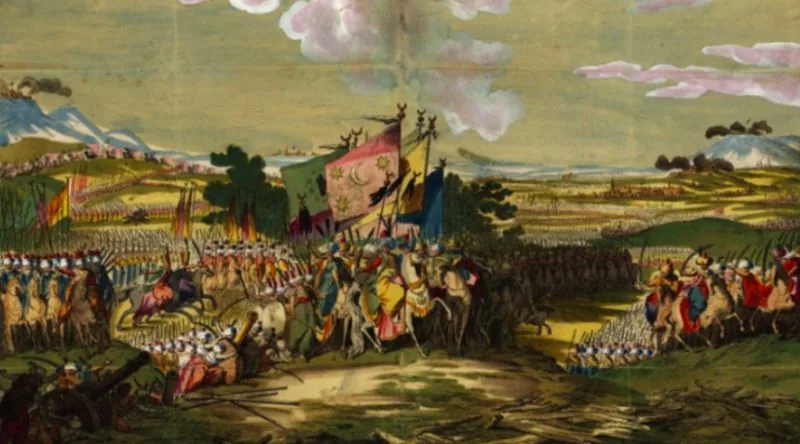
The Battle of Karánsebes in 1788 saw the Austrian army accidentally rout itself in a chaotic night of friendly fire, allowing the Ottoman Empire to capture the town without firing a single shot. This bizarre military disaster near the Banat region town of Karánsebes (modern-day Caransebeș, Romania) remains one of history's most absurd self-inflicted defeats, a darkly comic tale of panic, schnapps, and miscommunication that ended with thousands of Habsburg troops fleeing their own shadows.
In September 1788, during the Austro-Turkish War, a dispute among Austrian soldiers over schnapps escalated into a full-scale night battle against a phantom enemy. Troops fired on each other, cavalry charged their own infantry, and the army fled, leaving the town of Karánsebes to be taken by the Ottomans without resistance.
- The incident occurred in September 1788 near Karánsebes, in the Banat region of modern-day Romania, during the Austro-Turkish War.
- The chaos began when a group of Austrian hussars crossed a bridge to buy schnapps from local merchants and clashed with infantrymen over the price.
- A soldier's cry of "To your guns!" was misinterpreted as an Ottoman attack, triggering a panic that spread through the entire Austrian camp.
- The Austrian army, under the overall command of Emperor Joseph II, fled in disarray, leaving Karánsebes undefended.
- Ottoman forces arrived to find the town abandoned and captured it without suffering any casualties.
The Night Karánsebes Became a Byword for Military Chaos
The Battle of Karánsebes, on the night of September 21-22, 1788, is remembered as one of military history's most absurd episodes: an army that reportedly defeated itself before a single enemy soldier arrived. According to the original account, the Austrian forces of the Holy Roman Empire, allegedly around 100,000 strong, camped near the town of Karánsebes, known in Turkish as Şebeş, in present-day Romania. Historians debate key details, but the core narrative of friendly fire and Ottoman capture is widely retold.
Here is how the story goes. The Habsburg army was a patchwork of peoples: Austrians, Romanians, Serbs from the nearby border, Croats, and Italians from Lombardy. Many of these soldiers did not understand German, the language of their officers. A forward cavalry unit crossed the Timiș River to scout for Ottoman forces, found no trace of the enemy, but instead encountered a group of Romanian civilians offering schnapps for sale. Exhausted after a night of searching, the horsemen happily bought drinks.
Soon, infantrymen crossed the river too, drawn by the relaxed atmosphere and the promise of alcohol. When the foot soldiers saw the party continuing without them, they demanded schnapps from the cavalry. The horsemen refused. A drunk argument escalated, and reportedly, a single shot rang out. In the chaos, some Romanian infantry began shouting "Turcii! Turcii!" meaning "Turks! Turks!" The cavalry, convinced an Ottoman attack had begun, fled the scene, and most of the infantry followed.
The confusion spread through the camp. Officers shouted "Halt! Halt!" to restore order, but soldiers who did not speak German reportedly misheard the command as "Allah! Allah!" and panicked further. As the story goes, General Colloredo, commanding the artillery corps, saw cavalry fleeing and concluded this was an Ottoman cavalry charge. He ordered his cannons to open fire. The boom of artillery woke the entire camp, and Austrian units began firing on one another in the darkness.
According to the account, Holy Roman Emperor Joseph II was so demoralized by the chaos that he ordered a retreat, though historians attribute the withdrawal more to the broader military situation than to this single night. Two days later, the Ottoman army arrived at Karánsebes and found the Austrian dead and wounded. They reportedly captured the town with zero casualties, though that figure is not verifiable from reliable records.
Casualty numbers vary wildly across sources. One account puts Austrian losses at 150. Another says 1,200 wounded were taken to the fortress at Arad, about 60 kilometers north of Timișoara. A third claims 538 soldiers, 24 jäger, and one officer went missing, along with three cannons and a chest containing army documents and money. In a 1968 biography of Joseph II, author Paul Bernard claimed the friendly fire caused 10,000 deaths, but neither Austrian war archives nor scholars who examined them supported that number, and the claim was rejected as unsubstantiated.
What is certain is that disease, not combat, killed most Austrian soldiers during the 1787 campaign against the Turks. Malaria and dysentery ravaged the ranks, claiming tens of thousands of lives. The night at Karánsebes may have been chaos, but the real enemy in those campaigns was far smaller than a bullet: it was the mosquito and the contaminated water.
A Schnapps Deal Gone Wrong: How the Austrians Fired on Themselves
The Battle of Karánsebes, as the story goes, began not with a trumpet blast or a cavalry charge, but with a bottle of schnapps. According to the original account, on the night of September 21-22, 1788, during the Austro-Turkish War, a group of Austrian hussars crossed the Timiș River in present-day Romania, scouting for Ottoman forces. They found no Turks, but they did find Romanian civilians eager to sell them liquor.
What happened next is a chain of misunderstandings so absurd it sounds invented. The hussars, exhausted from a night of searching, happily bought the schnapps. Soon, some infantry soldiers crossed the river to join the party. When the infantry noticed the hussars' supply running low, they asked for a share. The hussars refused. The argument escalated, and reportedly, a shot rang out.
That single gunshot unraveled everything. Romanian civilians began shouting "Turcii! Turcii!" (Turks! Turks!), and the panic spread like wildfire through the Habsburg camp. This was no unified national army. The troops included Austrians, Romanians, Serbs, Croats, and Italians from Lombardy, and many of them did not understand German. When German officers shouted "Halt!" to restore order, non-German speakers reportedly misheard it as "Allah! Allah!" and assumed an Ottoman attack was underway.
The chaos turned deadly. As the story goes, cavalry fled the camp, and a corps commander, General Colloredo, seeing the stampede, concluded it was an Ottoman cavalry assault and ordered artillery fire. The guns tore into their own men. The camp dissolved into a fratricidal nightmare, with Austrian units firing on each other in the dark.
It bears repeating that this sequence is the reported version, not a verified one. The details vary wildly across accounts, and no reliable contemporary record confirms the specifics of the schnapps deal or the artillery order. What is certain is that the Austrian army was deeply multi-ethnic, and that miscommunication was a genuine vulnerability. The Habsburg forces had been camped near the town of Karánsebes, and the incident, whatever its precise mechanics, turned a routine night into a self-inflicted disaster.
General Colloredo's Fatal Mistake and the Emperor's Retreat
According to the original account, a corps commander named General Colloredo watched cavalry fleeing from the camp and made a catastrophic assumption. He reportedly believed this was an Ottoman cavalry attack and ordered artillery fire into the chaos. But here is the catch: no reliable contemporary record actually names Colloredo in this role. The story has been repeated so often that it feels like settled history, yet the archives simply do not support it.
What the records do suggest is that the artillery fire, whoever ordered it, accomplished something terrible. It woke the entire camp to the sound of battle. Soldiers who had been sleeping moments before stumbled into darkness with weapons drawn, and friendly units began fighting each other through the night. The Austrian army was a patchwork of nationalities: Austrians, Romanians, Serbs, Croats, and Italians from Lombardy, many of whom could not understand German. When officers shouted "Halt!" to restore order, soldiers who did not speak German reportedly heard something far more sinister. As the story goes, they mistook the command for "Allah! Allah!" and the confusion spiraled into absolute chaos.
Holy Roman Emperor Joseph II, who was present with the army, reportedly lost his nerve. According to the popular version of events, he was so demoralized by the spectacle of his own troops destroying each other that he ordered a full retreat. But this too is contested. Military historians generally attribute the retreat to the broader strategic situation of the 1787 campaign against the Turks, not to a single moment of panic. The emperor may well have been shaken, but the decision to withdraw reflected a larger picture that was already grim.
What is certain is that the night left the camp shattered. The confusion had done what no Ottoman force had managed: it broke the Austrian army from within.
The Ottomans Arrive to Find a Ghost Town of Casualties
Two days after the chaos, the Ottoman army finally marched into Karánsebes expecting a fight. Instead, they found a town littered with Austrian dead and wounded, soldiers who had shattered their own ranks in the dark. The Ottomans reportedly took the town with zero casualties, though that precise figure comes from accounts we cannot fully verify today.
The numbers tell a messy story, because nobody kept clean records that night. One source puts Austrian losses at 150. Another says 1,200 wounded were hauled to a fortress in Arad, a town about 60 kilometers north of Timișoara. A third account claims 538 soldiers, 24 jäger, and one officer went missing, though most eventually returned to duty. Somewhere in the panic, the Austrians also lost three cannons and a chest holding the army's documents and money.
Here is what the records do confirm: the real killer in the 1787 campaign against the Turks was never combat. Disease, especially malaria and dysentery, swept through the Austrian ranks and took tens of thousands of lives. The friendly fire at Karánsebes made for a spectacular story, but the sickness that rotted the camps was the quiet, brutal enemy all along.
Was It Real? The Disputed Legacy of Karánsebes
Here's the uncomfortable truth about the Battle of Karánsebes: no reliable archive confirms it happened the way the stories say. The famous claim of 10,000 deaths, floated by Paul Bernard in his 1968 biography of Holy Roman Emperor Joseph II, was rejected as unsubstantiated. Austrian war archives simply don't back it up, and neither does anyone who actually examined them.
So why does this tale keep circulating? Because it's a spectacular story, and historians love a good puzzle. The version most people know involves Austrian hussars crossing the Timiș River on the night of September 21-22, 1788, looking for Ottoman forces. According to the account, they found no Turks, but they did find Romanian civilians willing to sell schnapps. The hussars bought drinks. Then Austrian infantry crossed the river, saw the party, and wanted in on the alcohol. When the cavalry refused to share, a drunken argument escalated into gunfire. Someone shouted "Turcii! Turcii!" ("Turks! Turks!"), and chaos swallowed the camp.
Here's where the story gets genuinely plausible: the Habsburg army was a patchwork of Austrians, Romanians, Serbs, Croats, and Italians from Lombardy, many of whom didn't understand German. When officers yelled "Halt! Halt!" to restore order, soldiers who didn't speak the language reportedly heard "Allah! Allah!" and panicked. That linguistic breakdown is the kind of detail that feels true, even if the specifics remain contested.
The tale took a darker turn with General Colloredo, who supposedly saw cavalry fleeing and assumed an Ottoman attack was underway. As the story goes, he ordered artillery fire into his own men. But no reliable contemporary record names Colloredo as giving that order, and historians treat the detail with skepticism. Similarly, the claim that Joseph II was so demoralized he ordered a retreat doesn't hold up; the broader military situation in the 1787 campaign against the Turks explains the withdrawal better than one night of friendly fire.
What actually killed Austrian soldiers in that campaign? Disease. Records consistently show that malaria and dysentery took far more lives than combat ever did. Tens of thousands of casualties occurred during the 1787 operations, but most came from sickness, not swords or friendly fire.
As for the Ottoman capture of Karánsebes two days later with zero casualties, that detail is part of the legend. The town did fall, but the claim of no Ottoman losses isn't verifiable. Casualty figures for the Austrians vary wildly across sources: one says 150, another mentions 1,200 wounded taken to the fortress at Arad, and a third claims 538 soldiers, 24 jäger, and one officer went missing, though most later returned to duty. Three cannons and a chest of documents and money were also lost.
The persistence of the Battle of Karánsebes may owe less to historical accuracy and more to propaganda. Mocking Joseph II's failed campaigns served anti-Habsburg purposes nicely, and a story about an army defeating itself is far more memorable than a grim account of disease and strategic withdrawal. Geoffrey Regan repeated Bernard's 10,000-death figure in his own work, keeping the exaggerated number alive even after it had been rejected.
So where does that leave us? The core event, friendly fire followed by Ottoman capture, is widely retold. The details, the numbers, the specific actors, those remain contested ground. What's certain is that the Habsburg army was a multilingual, overstretched force fighting a difficult campaign, and that alone made disaster possible. Whether the schnapps-soaked version of events is true or not, it captures something real about how quickly confusion can turn into catastrophe when soldiers can't understand each other.
Frequently asked questions
What happened at the Battle of Karánsebes in 1788?
In September 1788, Austrian troops reportedly fired on each other after a dispute over schnapps, then fled in panic. The Ottoman army arrived two days later to find the town of Karánsebes abandoned, capturing it without a fight. The incident has become one of military history's most famous friendly fire stories.
Why did the Austrian army fire on itself?
The chaos began when Austrian hussars met Romanian civilians selling schnapps across the Timiș River. Infantry soldiers wanted a share of the alcohol, a fight broke out, and someone fired a shot. When Romanian voices shouted "Turcii! Turcii!" meaning "Turks! Turks!", the cavalry assumed an Ottoman attack had begun and fled, sparking widespread panic.
How did the Ottomans capture Karánsebes without casualties?
According to the original account, Ottoman forces arrived two days after the friendly fire incident to find Austrian dead and wounded scattered around the town. They reportedly took Karánsebes unopposed, though the claim of zero casualties remains unverified in reliable historical records.
Was the Battle of Karánsebes a real historical event?
The core incident is documented in later accounts, but many details remain disputed. Some historians suggest the story was exaggerated, possibly serving as propaganda to explain Austrian military failures during the Austro-Turkish War of 1787-1791. The lack of consistent contemporary records makes full verification difficult.
How many Austrian soldiers died?
Casualty figures vary wildly across sources. One account reports 150 losses, another mentions 1,200 wounded taken to the fortress at Arad, and a third claims 538 soldiers, 24 jäger, and one officer went missing, though most later returned. The often-cited figure of 10,000 deaths, attributed to Paul Bernard's 1968 biography of Joseph II, has been rejected as unsubstantiated.
What was Emperor Joseph II's role?
Holy Roman Emperor Joseph II reportedly ordered a retreat after the chaos left him demoralized, but this explanation is contested. Historians generally attribute the Austrian withdrawal to broader military failures in the campaign rather than the friendly fire incident alone.
What is the significance of the Timiș River?
The Timiș River was the site where the Austrian hussars first encountered the schnapps sellers, setting the entire disastrous chain of events in motion. The Habsburg army, composed of Austrians, Romanians, Serbs, Croats, and Italians, had many soldiers who did not understand German, which worsened the confusion when officers shouted "Halt!" and some misheard it as "Allah!"
Got a take on this? Add your voice to the conversation below →
No comments yet. Be the first.