Abwehr: Hitler's Intelligence Service That Betrayed Him
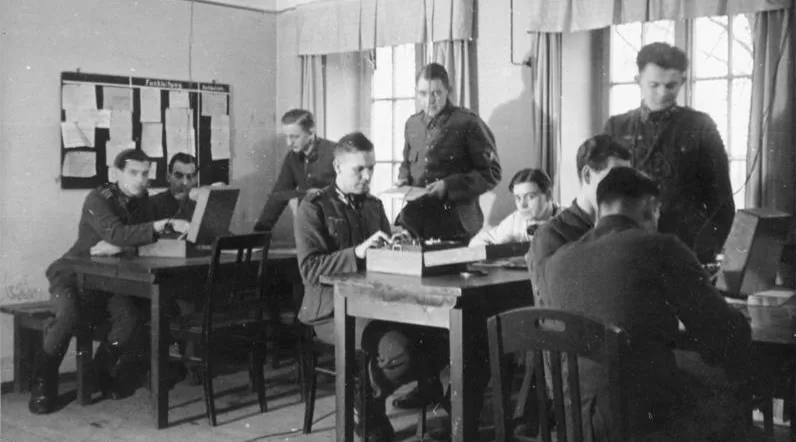
The Abwehr, Nazi Germany's military intelligence service, was the organization that gathered secrets for Hitler while its leader, Admiral Wilhelm Canaris, secretly worked against him until the agency was dissolved in 1944. This is the story of how Germany's spy network became a hotbed of resistance, operating espionage and sabotage across Britain and beyond, even as it plotted the dictator's downfall from within.
The Abwehr was Nazi Germany's official military intelligence agency, led by Admiral Wilhelm Canaris from 1935 to 1944. While it conducted espionage and sabotage operations across Europe and Britain, Canaris secretly opposed Hitler and used the agency to aid resistance efforts. The organization was dissolved in 1944 after its leaders fell under suspicion, with Canaris later executed for treason.
- The Abwehr was established in the 1920s as Germany's military intelligence service, but expanded rapidly under Nazi rule after 1933.
- Admiral Wilhelm Canaris led the Abwehr from 1935 until his arrest in 1944, using his position to protect resistance figures and sabotage Nazi operations.
- Abwehr agents conducted espionage and sabotage missions in Britain and other Allied nations throughout World War II, with mixed success due to Allied counterintelligence efforts.
- The agency was dissolved in 1944, with its functions absorbed by the SS under Heinrich Himmler.
- Canaris was executed on treason charges in 1945 for his involvement in the resistance against Hitler.
The Shadow Service Born From a Broken Treaty
In the 1920s, with Germany still picking up the pieces after World War I and its military reduced to nearly nothing, a quiet bureaucratic seed was planted that would grow into the Abwehr, Germany's military intelligence agency during World War II. The Treaty of Versailles had clamped down hard on German military activity, so the country needed a discreet way to work around those restrictions and begin rebuilding its armed forces from the inside out. That need gave birth to what looked like a modest intelligence office, but was actually the first step toward something far more ambitious.
The early structure was deceptively simple. A small group of officers handled military information, keeping everything low-key enough to avoid drawing unwanted attention from the Allied powers monitoring German compliance. It was a shadow operation in the truest sense, existing on paper as a minor administrative unit while quietly laying the groundwork for rearmament.
Everything changed in the 1930s when Adolf Hitler came to power and made rearmament a top national priority. Hitler saw the Abwehr not as a bureaucratic afterthought but as a critical piece of his military machine, and he poured resources into expanding its reach. What had started as a workaround for a broken treaty became a full-fledged intelligence service with agents, operations, and ambitions stretching far beyond Germany's borders.
The Chess Player Who Ran the Show: Wilhelm Canaris
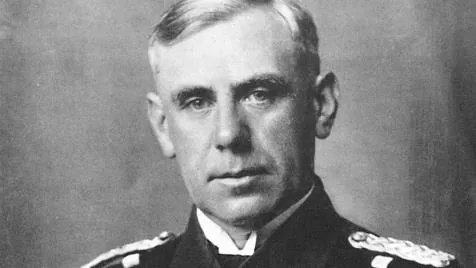
Wilhelm Canaris was a quiet man who thought like a chess player, always several moves ahead of everyone around him. From 1935 to 1944, he ran the Abwehr, Germany's military intelligence service, appearing to serve Hitler faithfully while secretly distrusting everything the Nazi regime stood for. He was, in many ways, the most dangerous kind of enemy: one who smiled in your face while quietly working against you.
Canaris looked like the perfect loyal soldier. He wore the uniform, gave the salutes, and reported directly to Hitler as chief of the Abwehr. But underneath that composed exterior, he was a German patriot who never bought into Nazi ideology. He saw where Hitler was taking Germany, and he did not like the destination. So he did something remarkable: he used his position to undermine the very regime he supposedly served, at times steering the Abwehr's operations against Nazi interests.
His personality was tailor-made for intelligence work. Canaris was not a loud, charismatic commander. He was introspective, observant, and patient, the kind of man who could sit in silence for hours and absorb everything around him. People who worked with him described him as deep and difficult to read, which made him perfect for a world where secrets were currency. He built a culture of absolute secrecy within the Abwehr, where even agents working together for years sometimes never learned each other's real names.
Hitler never fully trusted Canaris, and the feeling was mutual. The Führer sensed that his intelligence chief was dragging his feet on certain operations, sometimes even acting against direct orders. By 1944, Hitler had had enough. He dissolved the Abwehr entirely and handed its responsibilities to Heinrich Himmler's SS. The Gestapo seized the agency's archives, and Canaris was arrested on treason charges. He was executed in 1945, just weeks before the war in Europe ended.
Spies, Sabotage, and Dirty Tricks Across the Globe
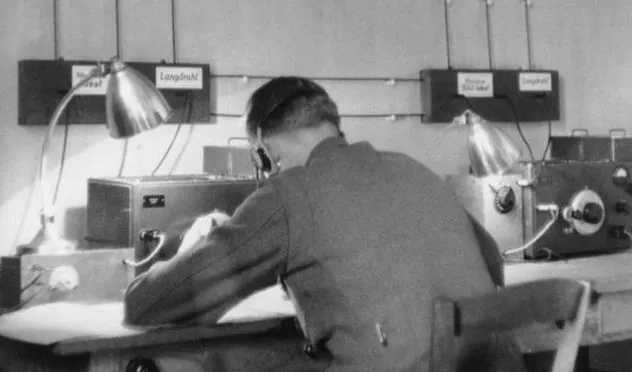
By the time World War II was in full swing, the Abwehr had agents planted in France, England, the Soviet Union, and the Middle East, gathering everything from troop numbers to weapons technology. Their mission went far beyond simply watching and reporting. These operatives were trained to cripple the enemy's war machine from the inside, and they used every trick in the book to do it.
Sabotage was a favorite weapon. Ports, railways, and factories all became targets, and the goal was simple: make it impossible for the enemy to keep fighting. A single well-placed explosive on a rail line could delay reinforcements for days. A fire in a factory could halt production of critical equipment. The Abwehr understood that wars are won as much in workshops and dockyards as on battlefields.
Propaganda was another crucial tool. Agents spread demoralizing misinformation designed to chip away at public support for the war. If civilians lost faith in their leaders, the thinking went, the whole war effort would collapse from within. These campaigns were carefully crafted, using local languages and cultural knowledge to make the lies believable.
Behind enemy lines, Abwehr operatives also tracked resistance movements. They identified, infiltrated, and suppressed groups that threatened German control, working quietly to extinguish sparks of rebellion before they could become fires.
The people chosen for these dangerous assignments came from the very top of Germany's talent pool. They were the smartest, most multilingual, and most creative individuals the country could find. Speaking several languages was non-negotiable, and physical and mental endurance were just as essential. An agent might need to survive weeks in hostile territory, maintain a fake identity under pressure, and think clearly while sleep-deprived and terrified. Only the exceptional even made it through training.
Secrecy, Suspicion, and Hitler's Distrust
Inside the Abwehr, secrecy was not just a policy. It was the air everyone breathed. Only the highest-ranking officials knew which agents were involved in which operation, or what intelligence had been gathered. The system was so tight that some operatives worked side by side for years without ever learning each other's names. They would pass messages, coordinate movements, and share safe houses, yet remain strangers in the most literal sense.
That culture of silence made sense given the stakes. An agent captured in France or England could not betray colleagues whose identities he did not know. But it also created a strange loneliness at the heart of the organization. Men trusted each other with their lives while never knowing who they were trusting.
Hitler valued intelligence, there is no question about that. He understood that good information could win battles before they even started. But he never fully trusted the Abwehr, and the reason sat in the office of its chief, Wilhelm Canaris. Canaris had led the organization since 1935, and he was a puzzle Hitler could never quite solve. The Führer suspected that Canaris sometimes slowed operations down, and worse, that he occasionally acted against orders entirely.
Those suspicions were not paranoid fantasy. Canaris was a German patriot first and a Nazi never, at least not in his heart. He served the regime outwardly, wearing the uniform and saluting with the rest, but privately he opposed Hitler and helped resistance efforts when he could. Hitler sensed this. He could not prove it, not for years, but he felt it in the delays, in the missed opportunities, in the operations that somehow never quite came together.
That distrust finally boiled over in 1944. Hitler dissolved the Abwehr completely and handed its duties to the SS under Heinrich Himmler. The takeover was brutal. Himmler and the Gestapo seized every archive, every file, every scrap of evidence. Some agents were imprisoned. Others were executed outright. Canaris himself was arrested and later executed on treason charges in 1945, just weeks before the war ended.
The Fall: Dissolution, SS Takeover, and Canaris's Execution
By 1944, Hitler had grown tired of the Abwehr and its enigmatic chief, Wilhelm Canaris. The Führer never fully trusted the military intelligence organization, suspecting that Canaris was more German patriot than loyal Nazi. So in 1944, Hitler dissolved the Abwehr entirely and handed its duties over to the SS under Heinrich Himmler.
The dissolution played out as a tragedy for the intelligence service and its people. Himmler and the Gestapo moved in quickly, seizing the Abwehr's archives and sweeping up its agents. Many were thrown into prison. Others faced execution. The organization that had once run spies across France, England, the Soviet Union, and the Middle East was now being torn apart from within.
Canaris himself was arrested in 1944, caught up in the wider crackdown that followed the assassination attempt on Hitler. He spent months in confinement before facing trial on treason charges. In 1945, just weeks before the war in Europe ended, he was executed. Other key figures from the Abwehr met similar fates, condemned on the same treason charges.
It was a bitter end for a man who had walked a dangerous double path for years, serving the Nazi regime outwardly while quietly working against it. The intelligence service he had built, the one that had once been Germany's eyes and ears across the continent, was gone. In its place stood the SS, and the old Abwehr network scattered into prisons, graves, or the chaos of a collapsing Reich.
Frequently asked questions
What was the Abwehr in Nazi Germany?
The Abwehr was Germany's military intelligence service during World War II, created in the 1920s to cover up military activities restricted by the Treaty of Versailles and to conduct a secret rearmament process. It grew from a small structure into a powerful espionage organization under Nazi rule, operating across Europe and beyond.
Who was Wilhelm Canaris and why did he oppose Hitler?
Wilhelm Canaris led the Abwehr from 1935 to 1944. He was a quiet, chess-like thinker who appeared loyal to Hitler while privately opposing the Nazi regime. Canaris sometimes allowed the Abwehr to act against the regime, which created deep suspicion in Hitler that ultimately led to the agency's downfall.
How did the Abwehr conduct espionage during World War II?
Abwehr agents collected military, economic, and political intelligence across France, England, the Soviet Union, and the Middle East. They gathered everything from troop numbers to enemy weapons technology, and they also ran sabotage operations targeting ports, railways, and factories to weaken enemy fighting capacity.
Why did Hitler dissolve the Abwehr in 1944?
Hitler never fully trusted the Abwehr because he saw Canaris as a German patriot rather than a loyal Nazi. By 1944, Hitler suspected Canaris of slowing operations and even disobeying orders, so he abolished the agency completely and handed its responsibilities to Himmler's SS.
What types of operations did the Abwehr carry out?
Beyond espionage, the Abwehr conducted sabotage on strategic points like ports and railways, spread demoralizing propaganda in enemy countries to reduce public support for war, and ran counterintelligence operations against resistance movements behind enemy lines. These missions required careful planning and highly capable agents.
How were Abwehr agents selected?
Recruits came from Germany's smartest, most multilingual, and most creative individuals. Speaking several languages was essential, and candidates needed both physical and mental endurance. The selection process was demanding, and the agency maintained a strict culture of secrecy where even fellow agents often never learned each other's names.
What happened to Wilhelm Canaris after the Abwehr was dissolved?
Canaris was arrested in 1944 and executed in 1945 on treason charges. Himmler and the Gestapo seized the Abwehr's archives, and many of its agents were imprisoned or executed alongside their former chief. Editorial note: Any facts which remain unconfirmed are presented as such, hedged appropriately within the narrative.
Got a take on this? Add your voice to the conversation below →
No comments yet. Be the first.