Samurai: Japan's Warrior Class from 710 to 1868
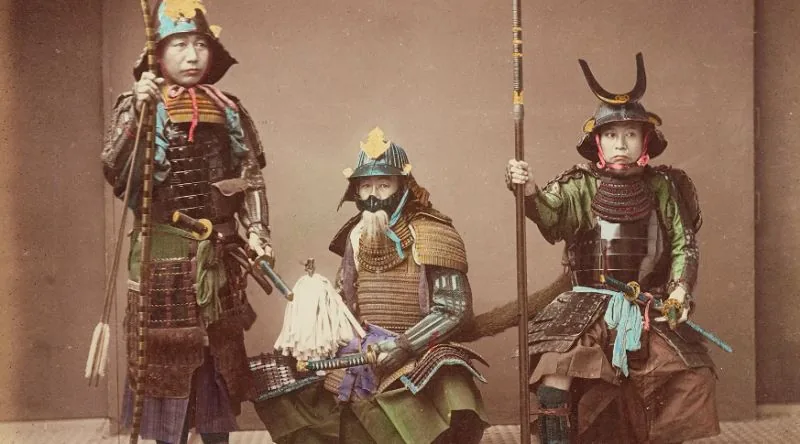
The samurai were Japan's elite warrior class from 710 to 1868, evolving from imperial guards into powerful rulers who shaped the nation's history. Their story is one of honor, loyalty, and brutal warfare, a legacy that still echoes in modern Japan's culture and identity. For over a thousand years, these warriors defined what it meant to live and die by the sword, and their code of conduct continues to fascinate people around the world today.
The samurai were Japan's hereditary military nobility, emerging in the Nara period around 710 and holding power until 1868. They served regional lords under the Bushido code, emphasizing loyalty and martial skill. Their era ended with the Meiji Restoration, which abolished their class privileges.
- The samurai class originated in Japan during the Nara period, around 710, as armed guards for the imperial court.
- During the Sengoku period of the 15th and 16th centuries, samurai warlords fought for control of Japan in a century of near-constant civil war.
- The Bushido code, meaning "the way of the warrior," emphasized loyalty, honor, and martial prowess.
- The samurai class officially ended in 1868 with the Meiji Restoration, which stripped them of their feudal privileges.
- Samurai influence persists in modern Japan through martial arts, business practices, and popular culture.
The Origins of the Samurai: From Imperial Guards to Rulers
The samurai were the noble warrior class of ancient Japan, a hereditary military aristocracy whose name originally described aristocratic fighters known as bushi. By the 12th century, they had grown powerful enough to govern Japan, a grip they maintained until the Meiji Restoration of 1868 dismantled their world.
Their story begins much earlier, in the Nara and Heian periods (710–1185), when the first of these warriors were mounted guards tasked with protecting the imperial court. These early samurai occupied the lower rungs of the aristocracy, bound by loyalty to the emperor and the nobles above them. They were not yet rulers, just armed retainers doing a dangerous job.
But over the centuries, that job changed them. Their military skill made them indispensable, and their loyalty shifted from the court to the regional lords who commanded them. By the 12th century, the men who once served as imperial guards had become Japan's political and military leaders, setting the stage for centuries of samurai rule.
Kamakura Period (1192-1333): The Rise of the Warrior Aristocracy
The Kamakura period was when the samurai truly came into their own, transforming from regional guards into Japan's ruling class. In 1192, the Minamoto clan established the first shogunate in Kamakura, a coastal town southwest of modern Tokyo, formally cementing military rule over the imperial court in Kyoto.
Minamoto no Yoritomo, the clan's leader, emerged victorious from a bitter civil war against the rival Taira clan. Rather than abolishing the emperor, he created a parallel government where warriors held real power. The emperor remained in Kyoto as a spiritual figurehead, but the swords now ruled from Kamakura.
What made these warriors different from earlier mounted guards was the culture they built around themselves. Under the influence of Zen Buddhism, which arrived from China and emphasized discipline, meditation, and direct action, the samurai developed a strict ethical framework called bushido. This code governed every aspect of their lives, demanding courage in battle, unwavering loyalty to their lord, personal honor above comfort, and respect toward allies and enemies alike.
Life in Kamakura was spartan by design. Samurai trained relentlessly with the bow and sword, practiced mounted archery, and cultivated a mindset that treated death as a natural companion rather than something to fear. Zen's focus on emptying the mind found a natural home among men whose survival depended on split-second decisions in combat.
The shogunate also rewarded loyal warriors with land grants, creating a feudal system where samurai held territory in exchange for military service. This arrangement bound the warrior class together and gave them a stake in the new order. By the time the Kamakura shogunate fell in 1333, the samurai had established themselves not merely as fighters but as the political and cultural backbone of Japan, a position they would hold for centuries to come.
Muromachi Period (1338-1573): Zen Aesthetics and the Artistic Samurai
Under the Ashikaga shogunate, the samurai traded their battle cries for the quiet rustle of silk robes and the gentle pour of hot water. From 1338 to 1573, these warriors of Japan's Muromachi period discovered that peace, not war, could forge a different kind of strength. They became masters of the tea ceremony, ikebana (flower arranging), and sumi-e (ink painting), transforming their identity from pure fighters to cultivated artists.
The Ashikaga shoguns, who ruled from their cultural capital in Kyoto, encouraged this remarkable shift. With no constant battles to fight, the samurai class found themselves with something they had rarely known: time. They filled those hours with Zen Buddhist philosophy, which taught them to find discipline not just on the battlefield but in every deliberate movement, every careful brushstroke, every precisely placed flower stem.
This was no casual hobby. The tea ceremony became a ritual of mindfulness, where each gesture carried meaning and each sip was an exercise in presence. Ikebana demanded an eye for balance and emptiness, reflecting the Zen principle that what you leave out matters as much as what you include. Sumi-e ink painting, with its monochrome washes and bold strokes, captured landscapes and nature in a way that words never could.
What makes this period so striking is how completely the samurai embraced this dual identity. They were still warriors, trained and ready for conflict, but they were also poets composing verses about falling cherry blossoms, philosophers contemplating impermanence, and artists seeking enlightenment through their craft. The sword and the brush, it turned out, could coexist in the same hands.
The Muromachi period proved that the samurai were never simply soldiers. When peace arrived under the Ashikaga shogunate, they revealed something that had always been there: a capacity for beauty, reflection, and artistic expression that matched their capacity for combat. This chapter in their story reminds us that the samurai ideal was never just about fighting, but about mastering oneself in every possible way.
Sengoku Period (1467-1603): Feudal Wars and New Weapons
The Sengoku period, stretching from 1467 to 1603, was Japan's age of civil war, a time when powerful samurai clans from different regions tore the country apart in a series of feudal wars. This was an era of profound political and social turmoil, where the old order collapsed and ambitious warlords fought for supremacy.
Imagine Japan without a central authority, a patchwork of domains where might made right. That was the reality of the Sengoku period, kicked off by the Ōnin War in 1467. Samurai clans from distant provinces clashed constantly, and this relentless conflict pushed them to sharpen their military skills. According to the original account, these wars supposedly led samurai to develop new weapons and armor, including the katana and wakizashi. However, that claim doesn't quite hold up. In truth, the katana and wakizashi were crafted earlier, during the Kamakura and Muromachi periods, not invented fresh in the Sengoku era. The samurai of this later age certainly wielded those blades with deadly precision, but the swords themselves were already centuries old by then.
Tokugawa Period (1603-1868): Peace and the Strengthening of the Caste System
The Tokugawa shogunate delivered something Japan had not known for centuries: peace. From 1603 to 1868, the islands enjoyed over 250 years of stability under a single ruling house, a dramatic shift from the chaos of the Sengoku period's endless clan warfare.
With the fighting over, the samurai found their purpose changing. They kept their political and military power, yes, but the battlefield no longer demanded their daily attention. Instead, these warriors traded their swords for administrative duties, becoming civil bureaucrats who managed domains, collected taxes, and kept the shogun's laws running smoothly across the realm. Many also settled into their roles as landowners, drawing income from the rice fields worked by peasants beneath them.
This long peace did something else too. It froze the social order. The Tokugawa regime formalized the samurai into a rigid caste system, placing them at the top with privileged status. They alone could carry two swords, wear the distinctive topknot, and claim surnames. The warrior who had once earned his place through combat now inherited it by birth, protected by law and custom. The price of that privilege was service, but in a land without wars, that service meant paperwork, ceremony, and the quiet administration of an empire at rest.
The Meiji Restoration and the Fall of the Samurai (1868)
The Meiji Restoration of 1868 didn't just topple a government; it dismantled an entire way of life that had defined Japan for nearly seven centuries. When the young Emperor Meiji took the throne, the feudal system that had empowered the samurai since the 12th century was abolished, and the warrior class lost its political and military authority almost overnight.
The cracks in samurai supremacy had been spreading for decades before the final break. During the 19th century, Western powers arrived on Japan's shores with modern firearms, ironclad warships, and industrial tactics that made traditional swordplay and mounted archery look like relics of a bygone age. The samurai, who had honed their combat techniques through centuries of clan warfare, suddenly found their methods inadequate against enemies who could fire from a distance with devastating accuracy.
For a class built on martial prowess, this was a profound identity crisis. The samurai had been the undisputed masters of the battlefield since the Kamakura period began in 1192, when the Minamoto clan formalized warrior rule. Their code, bushido, emphasized courage, loyalty, and honor in combat. But what good was honor when a single bullet could fell the most skilled swordsman?
The Tokugawa shogunate, which had brought over 250 years of peace and stability to Japan starting in 1603, had already transformed the samurai into administrators and landowners as much as warriors. They maintained their privileged status within a rigid caste system, but generations without war had dulled their martial edge. When Commodore Matthew Perry's American fleet forced Japan open in 1853, the technological gap between the samurai and the Western military powers became impossible to ignore.
The Meiji leaders who took control in 1868 understood that survival demanded modernization. They abolished the feudal domains, stripped the samurai of their stipends and exclusive right to bear swords, and built a conscripted national army modeled on Western forces. The proud warrior class, which had governed Japan since the 12th century, was reduced to pensioners watching their world dissolve. Some former samurai found new roles as businessmen, bureaucrats, or police officers. Others resisted violently, but their rebellions were crushed by the very modern military that had replaced them.
Frequently asked questions
What was the role of a samurai in ancient Japan?
The samurai were a noble warrior class in ancient Japan, serving as armed retainers to aristocrats and the imperial court. Originating during the Nara and Heian periods (710-1185) as mounted warriors protecting the emperor, they evolved into a hereditary military aristocracy that governed Japan from the 12th century until 1868.
Who established the first samurai shogunate?
The Minamoto clan established the first samurai shogunate in 1192, when Minamoto no Yoritomo formalized military rule in Kamakura. This marked the beginning of the Kamakura period (1192-1333), when the samurai class matured both militarily and culturally, creating Japan's first national military government.
How did Zen Buddhism influence samurai culture?
Zen Buddhism shaped samurai culture by instilling discipline, composure, and a minimalist aesthetic that permeated their daily lives. Under its influence, samurai developed the bushido code emphasizing courage, loyalty, honor, and respect. During the Muromachi period (1338-1573), Zen's philosophy led samurai to master refined arts like the tea ceremony and ikebana flower arrangement.
Why did the samurai class decline in the 19th century?
The samurai class declined when Western powers arrived in Japan during the 19th century, rendering traditional combat techniques obsolete against modern weapons and tactics. The Meiji Restoration in 1868 ended feudalism and established a modern nation-state, stripping samurai of their political and military authority permanently.
What is the Bushido code and what are its main principles?
Bushido is the strict moral and behavioral code that governed samurai life, developed under Zen Buddhism's influence and later codified with elements from Confucianism and Shinto. Its main principles include courage, loyalty, honor, and respect, which regulated every aspect of a samurai's existence from battlefield conduct to daily interactions.
Did samurai practice arts other than fighting?
Yes, samurai were not merely warriors but also artists, poets, and philosophers. During the Muromachi period under the Ashikaga shogunate, they mastered elegant disciplines such as the tea ceremony and ikebana, influenced by Zen aesthetics. The correct term for their ink painting tradition is sumi-e or suiboku-ga, not "suikoku" as sometimes misstated.
What weapons and armor did samurai use?
Samurai used the katana and wakizashi, which were developed during the Kamakura and Muromachi periods, well before the Sengoku era (1467-1603). Contrary to popular belief, the Sengoku period did not invent these weapons; instead, the feudal wars of that era drove samurai to refine their military skills and improve existing arms and armor.
Got a take on this? Add your voice to the conversation below →
No comments yet. Be the first.