Karadeniz Ship: Atatürk's Floating Exhibition of 1926
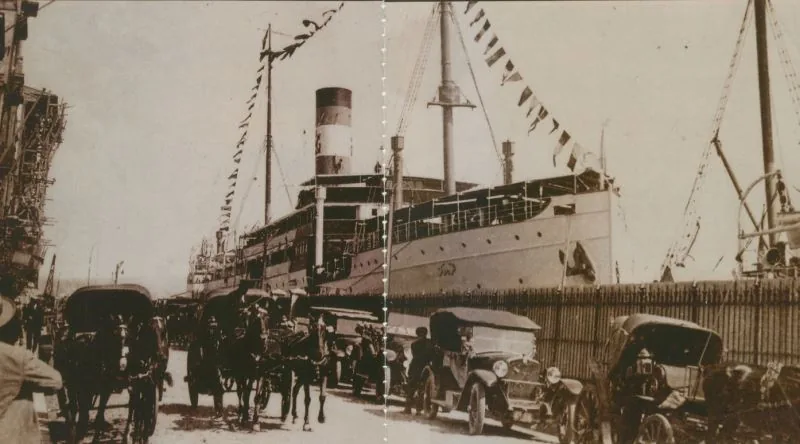
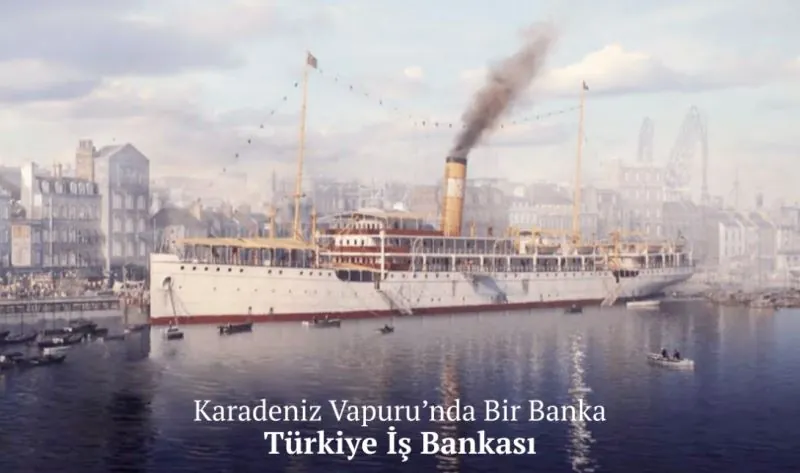
In 1926, President Mustafa Kemal Atatürk dispatched the steamship Karadeniz on a voyage across Europe, transforming it into a floating exhibition of modern Turkey's industry, culture, and trade. The Karadeniz exhibition ship sailed from Istanbul to fifteen major European ports, carrying Turkish products and a full orchestra, all to introduce the young republic to European audiences. It was a bold public relations move from a leader determined to show the world that Turkey was a vibrant, forward-looking nation.
In 1926, the Turkish government converted the steamship Karadeniz into a floating exhibition to promote the new republic. The ship toured European ports, displaying Turkish goods and culture. The voyage aimed to strengthen trade ties and reshape international perceptions of modern Turkey under Atatürk's leadership.
- The Karadeniz departed from Istanbul in June 1926 on its promotional tour of European ports.
- The ship carried Turkish agricultural and industrial products for display at each stop.
- A presidential orchestra accompanied the voyage, performing concerts at ports of call.
- The tour included stops in Spain, France, England, the Netherlands, Germany, Sweden, Finland, the Soviet Union, Poland, Denmark, Belgium, and Italy.
- The expedition was part of Atatürk's broader campaign to introduce the modern Turkish Republic to European audiences.
A Floating Bazaar Sets Sail: The Karadeniz Exhibition Ship
On June 12, 1926, an unusual steamship slipped out of Istanbul harbor and pointed its bow toward the open sea. The Karadeniz exhibition ship was no ordinary passenger vessel. It had spent three months in the Golden Horn being gutted and refitted, its holds cleared out, its decks reinforced, until it emerged as something Europe had never seen before: a floating Turkish bazaar, a traveling showcase for a republic that was barely three years old.
Mustafa Kemal Atatürk had a simple, audacious idea behind the whole venture. Instead of waiting for Europeans to come to Turkey and discover what the new nation had to offer, he would send Turkey to them. The ship would carry the country's finest handmade goods, its art, its music, and its people, and it would throw open its doors at every port along the way. Anyone who walked up the gangplank would step into a miniature Turkey, one built from Kütahya tiles, Hacı Bekir Turkish delight, Hereke fabrics and carpets, Beykoz factory goods, monopoly products, amber and precious stone ornaments, grapes, figs, Edirne soap, embroidery, copper trays, tobacco, wool, leather, cocoons, and hazelnuts.
The transformation was painstaking. Workers in the Golden Horn shipyards spent those three months turning the steamer into a proper exhibition hall, complete with display spaces designed to show off the merchandise in the best possible light. When the ship finally departed, it carried not just goods but an entire delegation. According to the original account, the crew reportedly numbered 285 people, including artists, journalists, parliamentarians, teachers, musicians, and sailors, and the voyage reportedly stretched to 86 days, though those figures are hard to verify from surviving records.
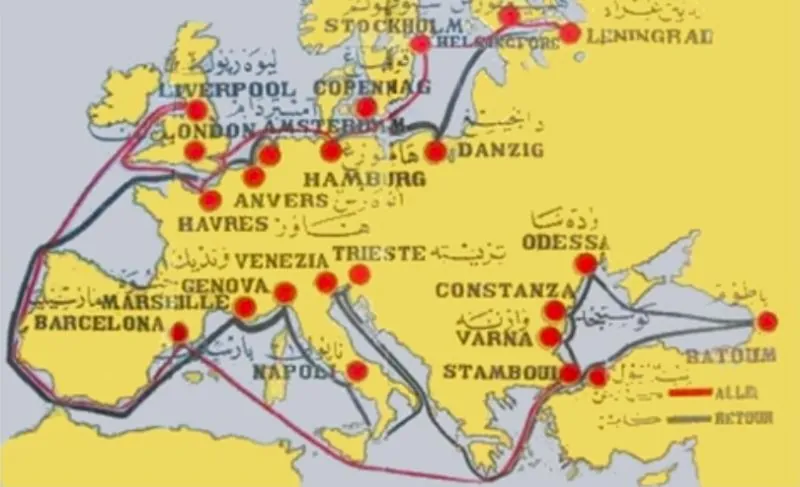
What is certain is the itinerary. The Karadeniz exhibition ship made its way to Barcelona, Le Havre, London, Amsterdam, Hamburg, Stockholm, Helsinki, Leningrad, Danzig, Gdynia, Copenhagen, Antwerp, Marseille, Genoa, and Naples. At each stop, crowds came to see what the new Turkey had brought them. The ship became a curiosity, a floating promise that this young republic wanted to trade, to talk, to be part of the modern world.
Crew, Cargo, and a Presidential Orchestra
Mustafa Kemal himself handpicked the delegation, and they were determined to show Europe a Turkey it had never imagined. The ship's exhibition hall showcased the best of Anatolia. Kütahya tiles glowed in their famous blues, Hacı Bekir Turkish delight sat in neat boxes, and Hereke fabrics and carpets from Bursa spilled across display tables. Beykoz factory goods shared space with monopoly products, amber ornaments set with precious stones, fresh grapes, figs, Edirne soap, embroidered textiles, copper trays, tobacco, wool, leather, silkworm cocoons, and hazelnuts. Each item had been chosen to prove that the young republic could produce beauty and quality in equal measure.
Music traveled with the merchandise. The Presidential Orchestra accompanied the voyage, and its leader was Osman Zeki Üngör, the man who composed the music for the Turkish national anthem. At each port, the orchestra performed for crowds that reportedly swelled to around 10,000 people, and the concerts became one of the most talked-about spectacles of the entire journey. European audiences who had never heard Turkish musicians play now found themselves tapping their feet to melodies from the other side of the Bosporus.
Charting the Course: Ports and Crowds
The Karadeniz exhibition ship announced itself at every harbor. Between its departure from Istanbul on June 12, 1926, and its return, the converted steamer made port in fifteen cities, from Barcelona to Naples, and left a trail of curious crowds and newspaper headlines wherever it dropped anchor.
The itinerary reads like a grand tour of the continent's maritime spine. Barcelona, Le Havre, London, Amsterdam, Hamburg, Stockholm, Helsinki, Leningrad, Danzig, Gdynia, Copenhagen, Antwerp, Marseille, Genoa, and Naples. Each stop was a chance for the young Turkish Republic to step onto a European dock and say, here we are, and here is what we make. The ship itself was the invitation, a floating showcase of the country's finest products.
The welcome was not polite applause. It was a crush. At port concerts, crowds of around 10,000 people reportedly gathered to watch, a number that speaks to genuine curiosity about this new Turkey sailing into their harbors. The ship did not just sit at the quay; it performed, it displayed, and it conversed.
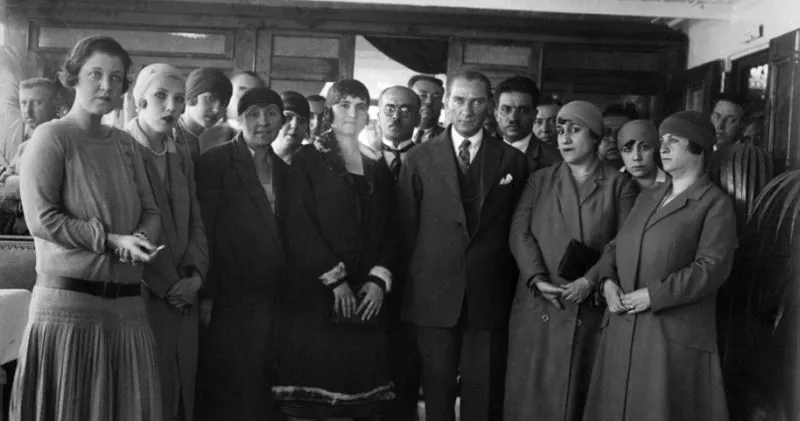
One encounter in Amsterdam has become part of the voyage's lore. The city's mayor toured the ship, guided by Bediha Celal, a young Turkish woman who spoke fluent English. According to the original account, the mayor reportedly told her, "I never thought I would encounter such a Turkish woman." Whether those exact words were spoken is hard to verify, but the anecdote captures something real: the surprise Europeans felt when confronted with a modern, educated, and confident Turkish woman.
Every port offered a fresh audience, and the ship's crew seemed to understand that the cargo was not just goods but an idea. The Karadeniz exhibition ship was a moving argument for a country that had, only a few years earlier, been dismissed as the "sick man of Europe." Here it was, sailing into Leningrad and London alike, carrying tiles, textiles, and a message that needed no translation.
Finland's Special Request and a Lasting Legacy
When the Karadeniz exhibition ship steered toward Helsinki in the summer of 1926, it carried more than crates of Turkish goods. It carried a young republic's hope of being seen, truly seen, by a continent that had known the Ottoman Empire mostly through war reports and orientalist paintings. Finland, according to some accounts, had been especially eager for this visit, though the claim that it was the only European country to request the ship's arrival doesn't quite hold up under scrutiny. Several nations along the Baltic route had welcomed the idea of hosting the floating exhibition, so Helsinki's enthusiasm was part of a broader wave rather than a solitary exception.
Still, the reception in Finland stood out. When the ship finally docked, Helsinki's newspaper front pages splashed the arrival across their covers. Finnish citizens lined up alongside the city's Tatar community, a group with deep historical ties to Turkey, and together they crowded the decks to inspect Kütahya tiles, Hereke carpets, and Hacı Bekir lokum. The Tatars, in particular, reportedly felt a personal connection to the visitors, a kinship that transcended the formal diplomacy of the moment.
The voyage left traces beyond the ports themselves. A book titled Atatürk's Exhibition Ship was reportedly compiled from the navigation memoirs of second captain Süreyya Gürsu, who published his seafaring recollections in Deniz Mecmuası in 1935. According to the original account, the volume offers a rare window into how the Turkish crew experienced Europe in the 1920s, their observations filtered through the eyes of men adjusting to a continent still rebuilding from the Great War. The exact publication details remain unconfirmed, but the memoirs themselves are part of the ship's enduring paper trail.
Film footage may also exist. British Pathé, the documentary newsreel company, reportedly captured the ship while it was moored at Greenwich in 1926, a clip that would later surface under the title "Stamboul Bazaar In The Thames." The footage is plausible, given the company's habit of filming notable vessels in London's harbor, but no definitive evidence of the specific reel has been verified. For researchers and enthusiasts of the Karadeniz exhibition ship, even the possibility of moving images from that summer adds another layer to a story already rich with detail.
Frequently asked questions
What was the Karadeniz exhibition ship?
The Karadeniz was a steamship converted into a "floating exhibition" in 1926, carrying Turkish goods, artworks, and cultural representatives across Europe. It was essentially a mobile trade fair and promotional campaign for the newly established Turkish Republic, allowing Europeans to experience Turkish products without traveling to Turkey.
When did it depart?
The ship left Istanbul on June 12, 1926, after undergoing three months of special preparation and decoration in the Golden Horn shipyard. The departure marked the beginning of an ambitious journey that would take the floating exhibition through some of Europe's most important harbor cities.
Which cities did it visit?
The itinerary included Barcelona, Le Havre, London, Amsterdam, Hamburg, Stockholm, Helsinki, Leningrad, Danzig, Gdynia, Copenhagen, Antwerp, Marseille, Genoa, and Naples. Each port stop opened the ship to local visitors eager to see what modern Turkey had to offer.
Who selected the crew?
Mustafa Kemal Atatürk himself personally selected the onboard team. The group included artists, journalists, parliamentarians, teachers, musicians, and sailors, all chosen to represent different facets of Turkish society to European audiences.
Why was it sent?
The mission was driven by Atatürk's philosophy that "instead of waiting for the world to come to us, let us go to the world." The ship served as an international public relations vehicle for the young republic, aiming to boost trade relationships and reshape European perceptions of Turkey as a modern, forward-looking nation.
How was it received in Finland?
According to some accounts, Finland was particularly eager for the ship's visit, though it was not the only country to welcome the vessel warmly. When the Karadeniz arrived in Helsinki, it drew significant attention from both Finnish citizens and the local Tatar community, with newspapers covering the arrival on their front pages.
What products were displayed?
The exhibition featured Kütahya tiles, Hacı Bekir Turkish delight, Hereke fabrics and carpets, Beykoz factory goods, monopoly products, amber and precious stone ornaments, grapes, figs, Edirne soap, embroidery, copper trays, tobacco, wool, leather, cocoons, and hazelnuts. All items were exclusively Turkish-made, showcasing the country's craftsmanship and natural resources.
Did it have an orchestra?
Yes, the ship carried the Presidential Orchestra, which performed concerts at the ports visited. The orchestra was led by Osman Zeki Üngör, the composer of the Turkish national anthem's music, though some accounts describe him simply as "Zeki Bey." Crowds reportedly gathered in large numbers for these performances. Editorial note: Any facts that remain unconfirmed are presented as such, with details about the ship's exact cargo and the precise number of visitors at each port left as reported but not independently verified.
Got a take on this? Add your voice to the conversation below →
No comments yet. Be the first.